
Theatre Appreciation Course
Theatre Appreciation Course - Explores the components, methods, and history of theatrical production. Scripts, acting, directing, staging, history, criticism, and theory. Define specific terms relating to the study of theatre. You’ll collaborate with peers and work across various disciplines, including production design, film, television, and sound design. Emphasis is placed on the audience’s appreciation of the work of the playwright, director, actor, designer, producer, and critic. This course is designed as an asynchronous, fully online course. Ah1 provides an opportunity to discover, analyze, and evaluate all aspects of the theatre experience: These include advanced costume design, introduction to draping & flat patterning, and figure drawing for theatre. Explores live theatre productions, enriching the understanding and appreciation of the theatrical event. The course provides an introduction to theatre as a collaborative art form through the critical analysis of its historical context, production, theory, and connections to theatrical literature, including the western canon. In this course, students will foster an appreciation of theatre as a collective performing art. Describe the functions of the various theatre personnel. Identify the value and necessity of theatre arts in culture and society. Through experiencing theatre productions, studying scripts and engaging in reflective discussion, students will explore a diversity of historical and cultural contexts of theatre. Emphasis is placed on the audience’s appreciation of the work of the playwright, director, actor, designer, producer, and critic. During this course you will learn to: Scripts, acting, directing, staging, history, criticism, and theory. You’ll collaborate with peers and work across various disciplines, including production design, film, television, and sound design. Analyze and apply the theatre artist's processes and contributions in acting. South shore drive, in 1920. While the rest of what is now the south shore. Describe the relationship between the audience and the theatre artist. Scripts, acting, directing, staging, history, criticism, and theory. Describe the functions of the various theatre personnel. The outdoor theater was built as a part of the south shore country club, 7059 s. South shore drive, in 1920. Course objectives this course is designed to expose you to live theatre so that you will better appreciate its complexities and cultural importance. During this course you will learn to: Emphasis is placed on the audience’s appreciation of the work of the playwright, director, actor, designer, producer, and critic. Explores the components, methods, and history. The outdoor theater was built as a part of the south shore country club, 7059 s. If you are interested in studying theatre explore these academic programs that offer training both onstage and behind the scenes. You’ll collaborate with peers and work across various disciplines, including production design, film, television, and sound design. Over the course of the semester, you. You’ll collaborate with peers and work across various disciplines, including production design, film, television, and sound design. The theater opened in 1920, and features a small stage and terrazzo dance floor with the logo for the old country club on it, landmarks illinois said. Subject areas may include but are not limited to acting, directing, and technical theatre. Survey and. These include advanced costume design, introduction to draping & flat patterning, and figure drawing for theatre. Describe the relationship between the audience and the theatre artist. Formulate standards for evaluating a theatrical work of art from a christian worldview perspective. After completing this course, students will be able to: Explores the components, methods, and history of theatrical production. Formulate standards for evaluating a theatrical work of art from a christian worldview perspective. Describe the functions of the various theatre personnel. These include advanced costume design, introduction to draping & flat patterning, and figure drawing for theatre. Describe the major components of the theatrical event. Playwright, director, stage manager, designer, and actors. Through experiencing theatre productions, studying scripts and engaging in reflective discussion, students will explore a diversity of historical and cultural contexts of theatre. During this course you will learn to: Define specific terms relating to the study of theatre. The theater opened in 1920, and features a small stage and terrazzo dance floor with the logo for the old country. Over the course of the semester, you will look behind the scenes in order to explore the collaborative processes that make it work. During this course you will learn to: The outdoor theater was built as a part of the south shore country club, 7059 s. Through experiencing theatre productions, studying scripts and engaging in reflective discussion, students will explore. Course objectives this course is designed to expose you to live theatre so that you will better appreciate its complexities and cultural importance. With its free and ready access, the adoption of a variety of expert source material will increase engagement with quality information that will more effectively complete the experience of both applied and academic study. Survey and critical. This course is designed to foster an awareness of the theatrical components extant in major world cultures. Includes reading, researching and evaluating a play to collaboratively create a unified design. Distinguish characteristics of theatre that differentiate it from other art forms. You’ll collaborate with peers and work across various disciplines, including production design, film, television, and sound design. Recognize how. Exhibit an increased understanding of the various roles and responsibilities in theatre production: South shore drive, in 1920. If you are interested in studying theatre explore these academic programs that offer training both onstage and behind the scenes. Chicago offers many excellent theatre programs at our area colleges and universities. Emphasis is placed on the audience’s appreciation of the work of the playwright, director, actor, designer, producer, and critic. The theater opened in 1920, and features a small stage and terrazzo dance floor with the logo for the old country club on it, landmarks illinois said. While the rest of what is now the south shore. Scripts, acting, directing, staging, history, criticism, and theory. Formulate standards for evaluating a theatrical work of art from a christian worldview perspective. During this course you will learn to: Over the course of the semester, you will look behind the scenes in order to explore the collaborative processes that make it work. Appreciate the individual disciplines within theatre. After a decline in membership, the country club closed and was bought by the park district in 1973. Playwright, director, stage manager, designer, and actors. Course objectives this course is designed to expose you to live theatre so that you will better appreciate its complexities and cultural importance. You will also learn to.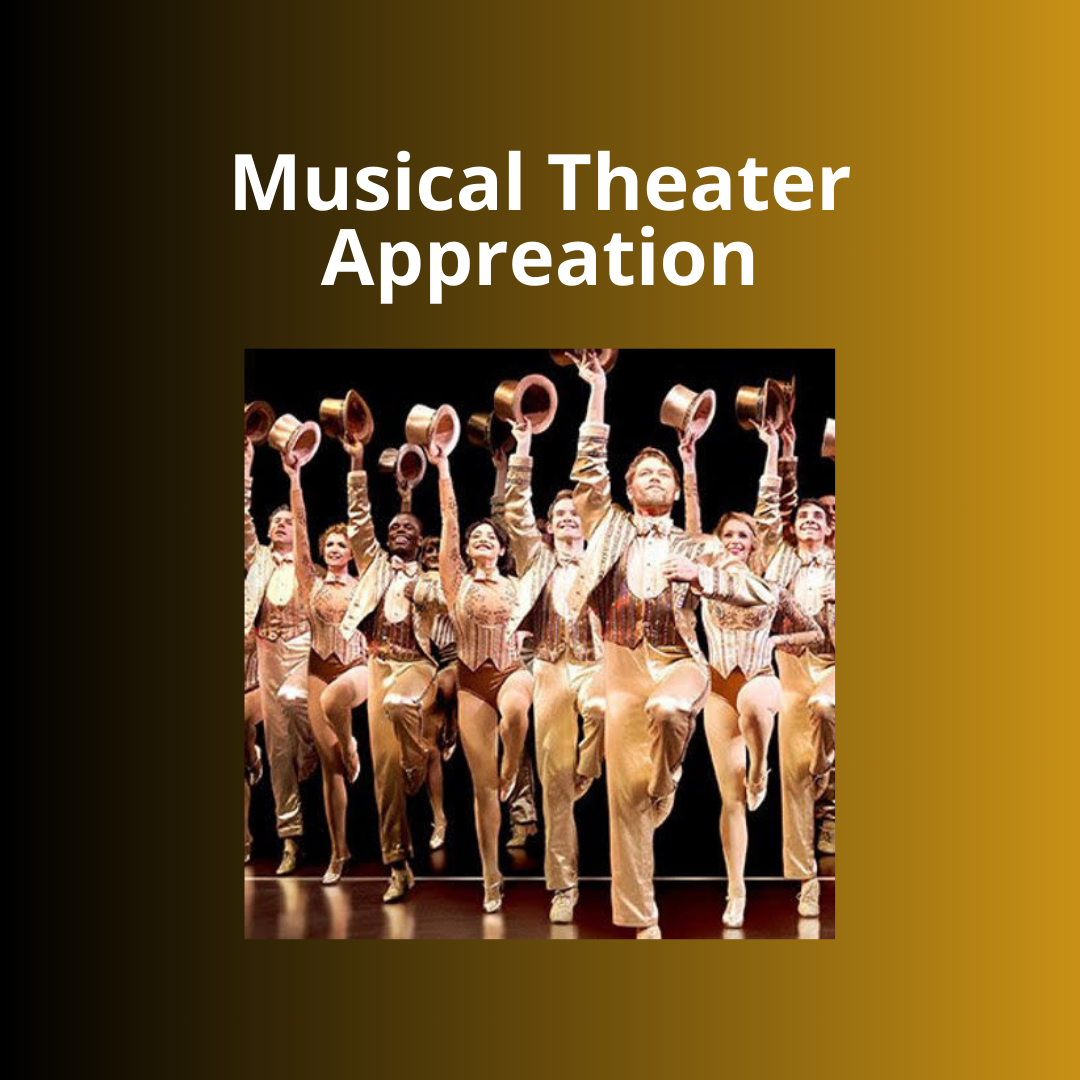
Musical Theater Appreciation Zoom Center For Independent Futures
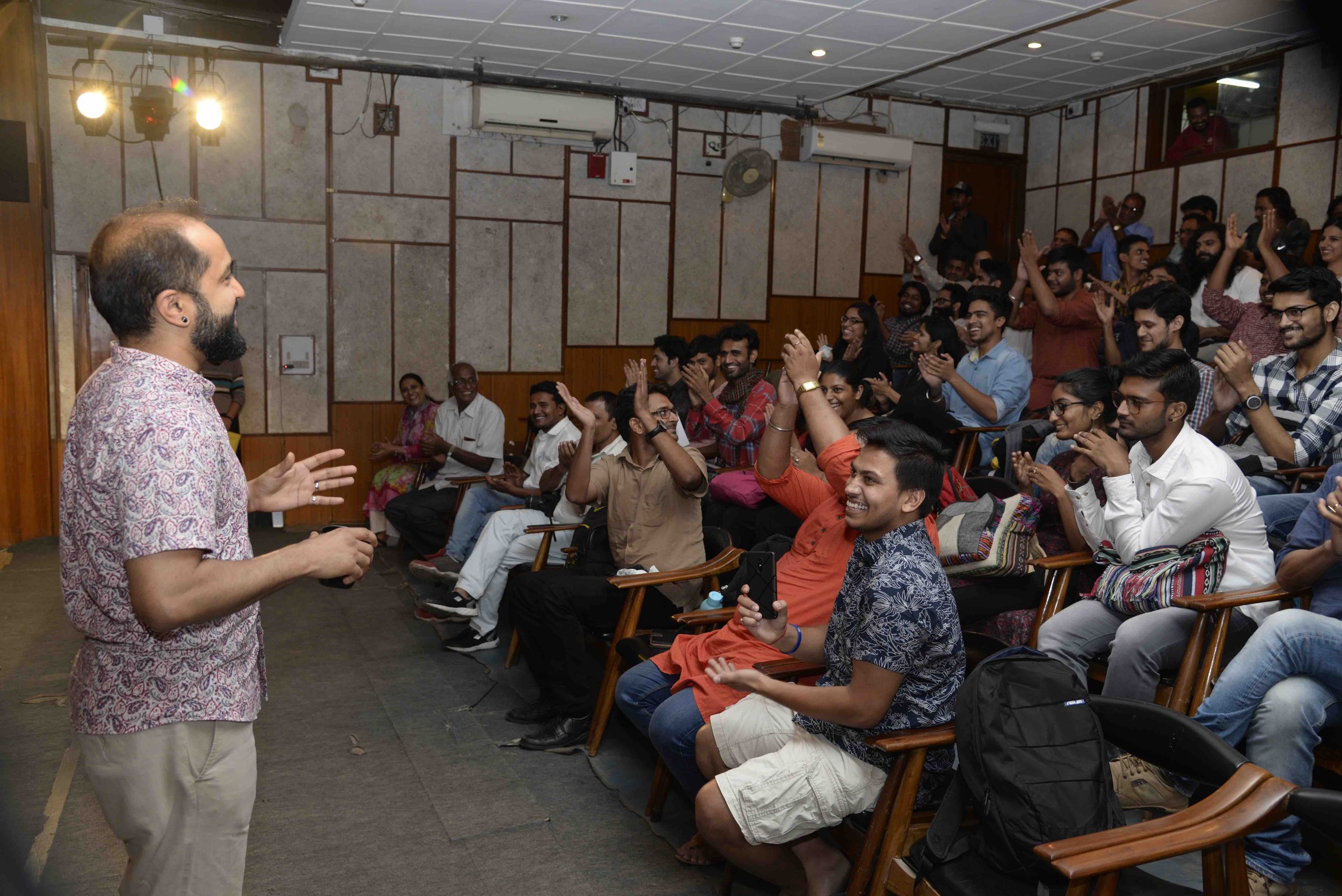
Theatre Appreciation Course — AMITESH GROVER

Theatre Appreciation Intro to class YouTube
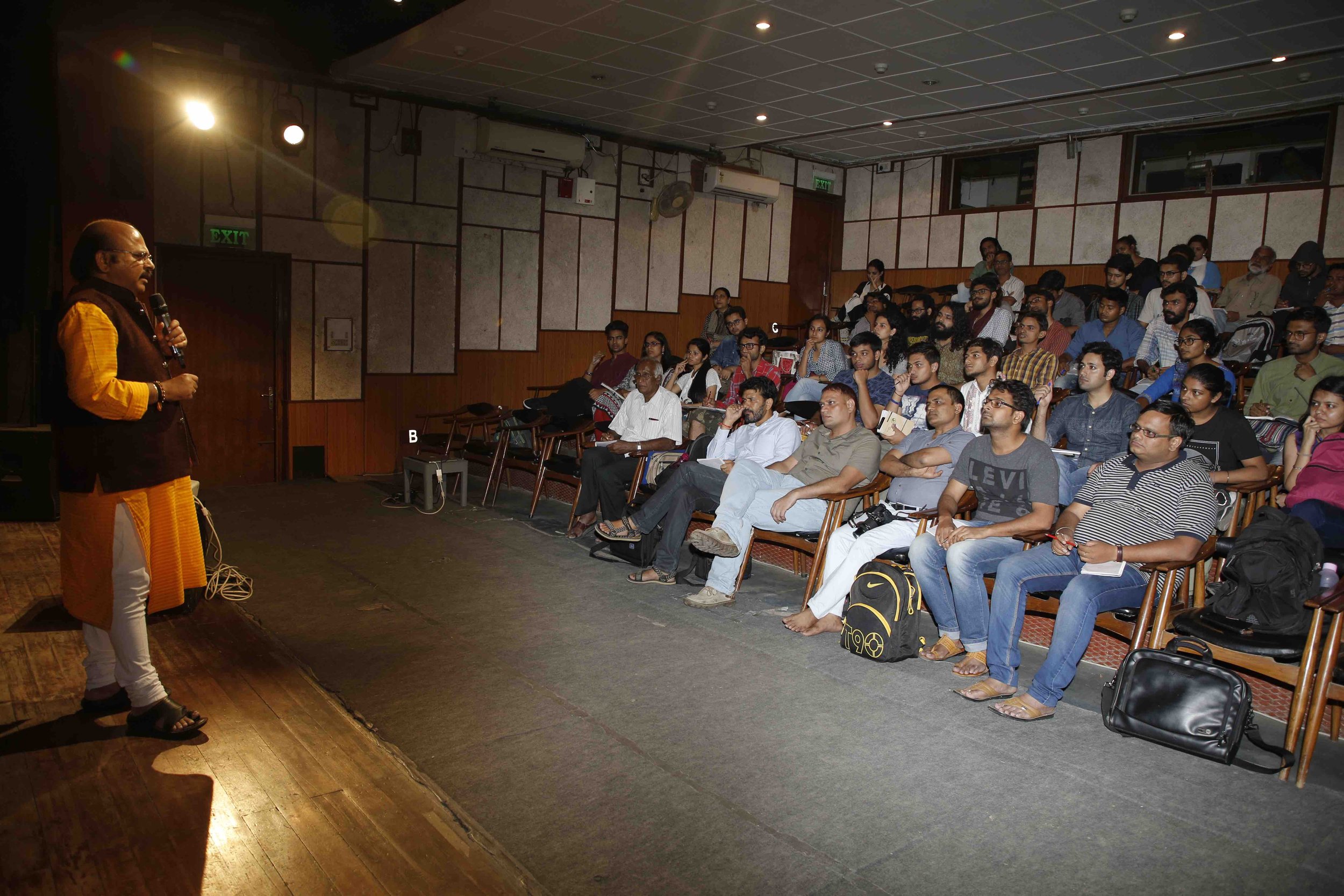
Theatre Appreciation Course — AMITESH GROVER
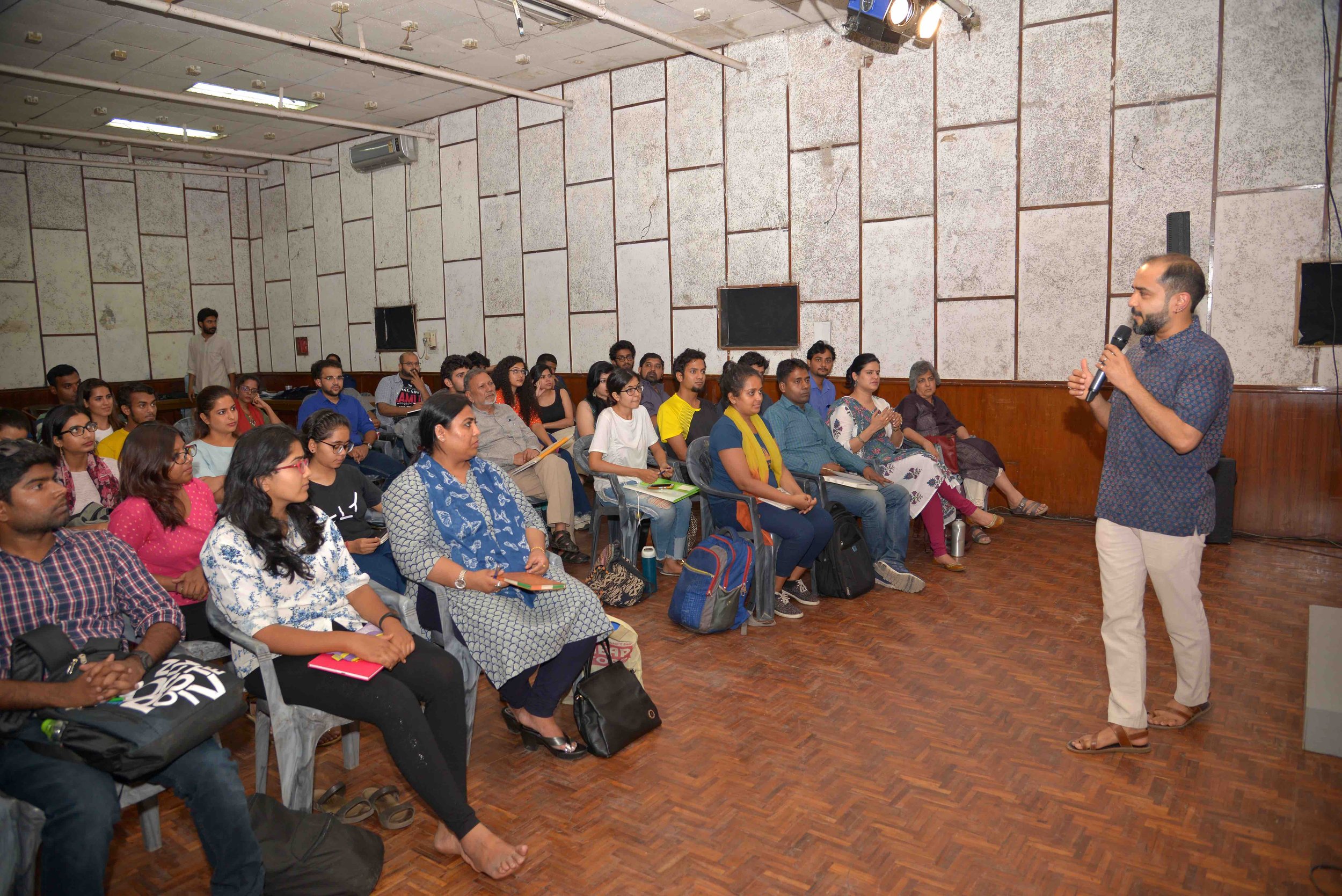
Theatre Appreciation Course — AMITESH GROVER

Theatre & Art Appreciation Course
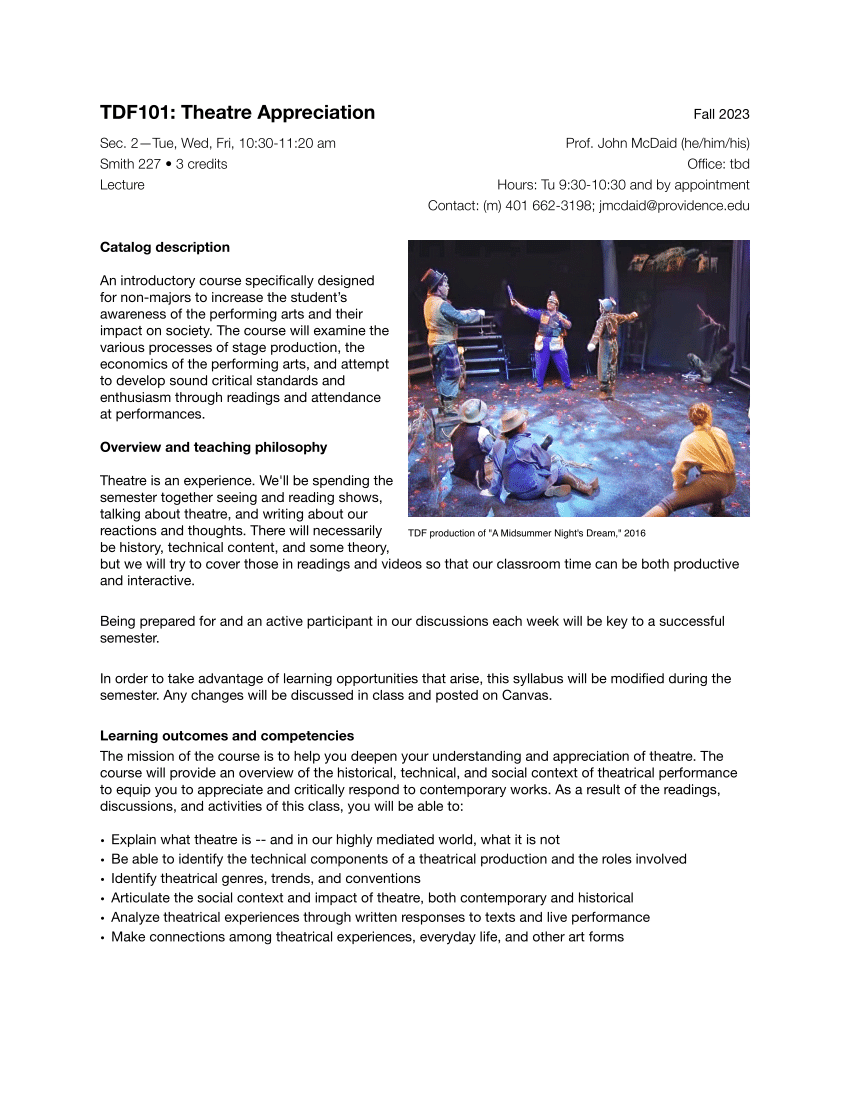
(PDF) Syllabus for Theatre Appreciation 101 Fall 23
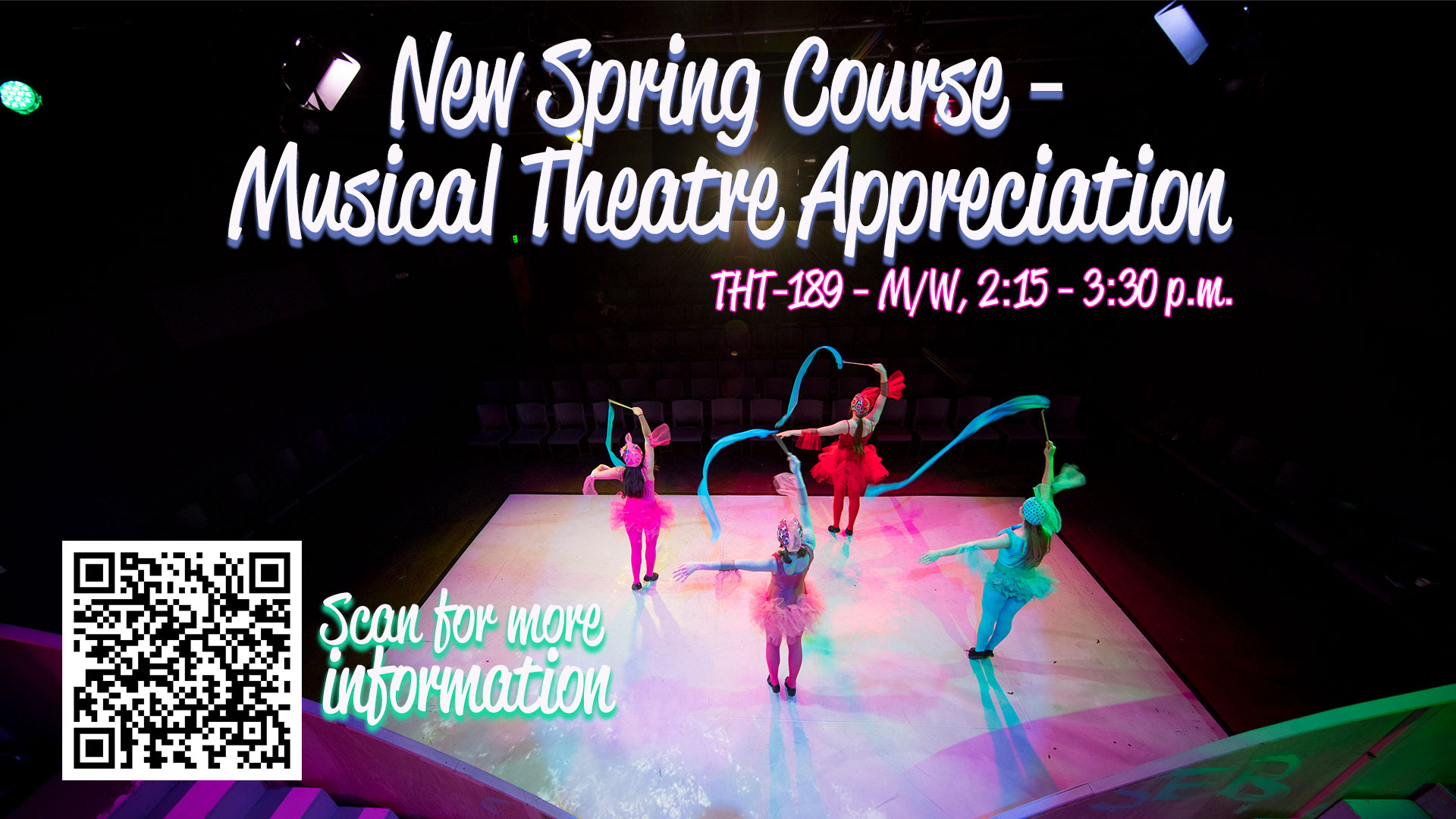
New Spring Course Musical Theatre Appreciation Carroll College
Theatre Appreciation A Behind the Scenes Look of this Collaborative
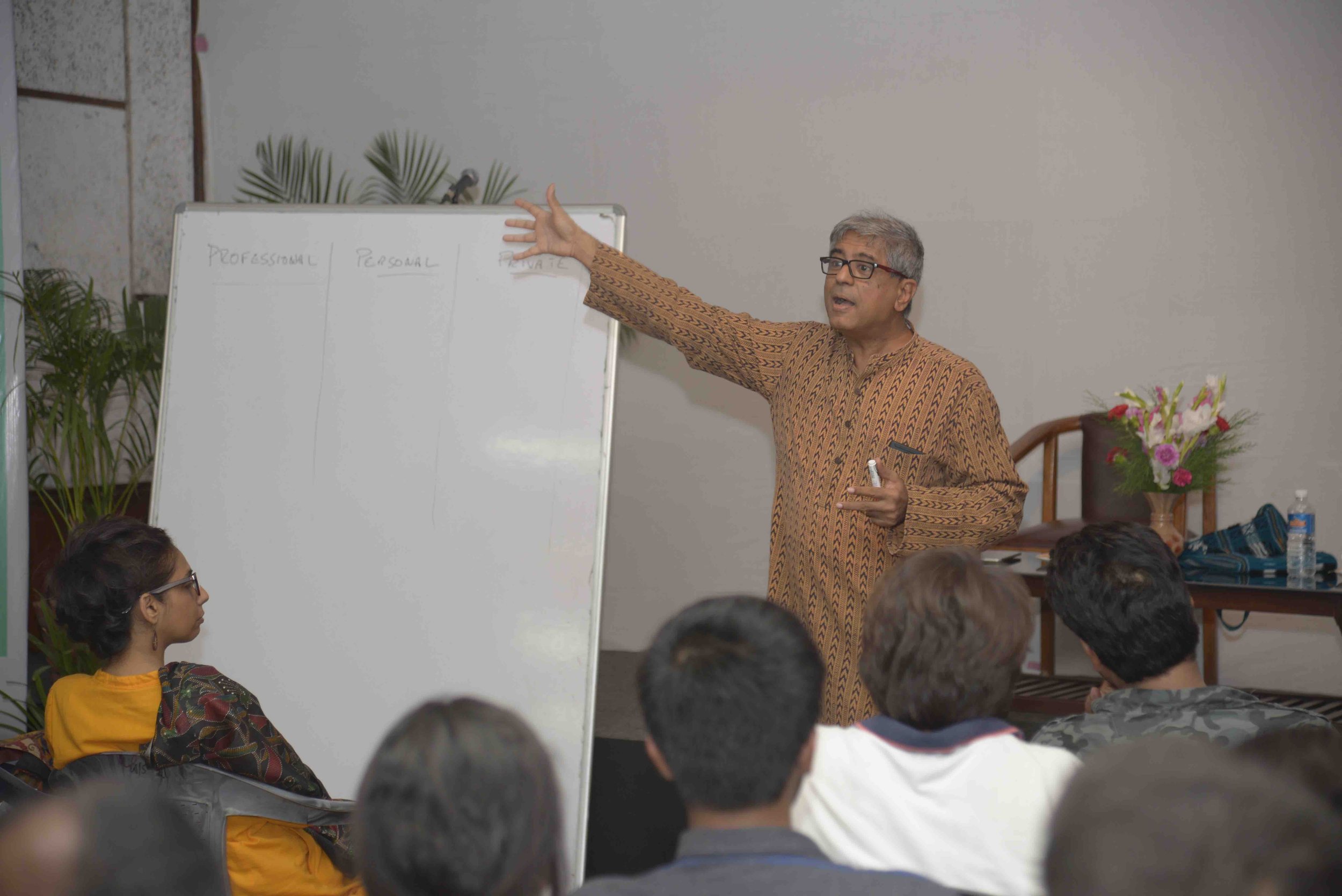
Theatre Appreciation Course — AMITESH GROVER
Describe The Functions Of The Various Theatre Personnel.
After Completing This Course, Students Will Be Able To:
These Include Advanced Costume Design, Introduction To Draping & Flat Patterning, And Figure Drawing For Theatre.
Students Explore Common Themes And Approaches To Thinking Metaphorically And Abstractly With An Appreciation Of Design As An Aesthetic Distinct From The Other Arts, And Awareness Of Design Considerations As Manifested In Theatrical Productions.
Related Post: