Of Course That Doesn't Account For
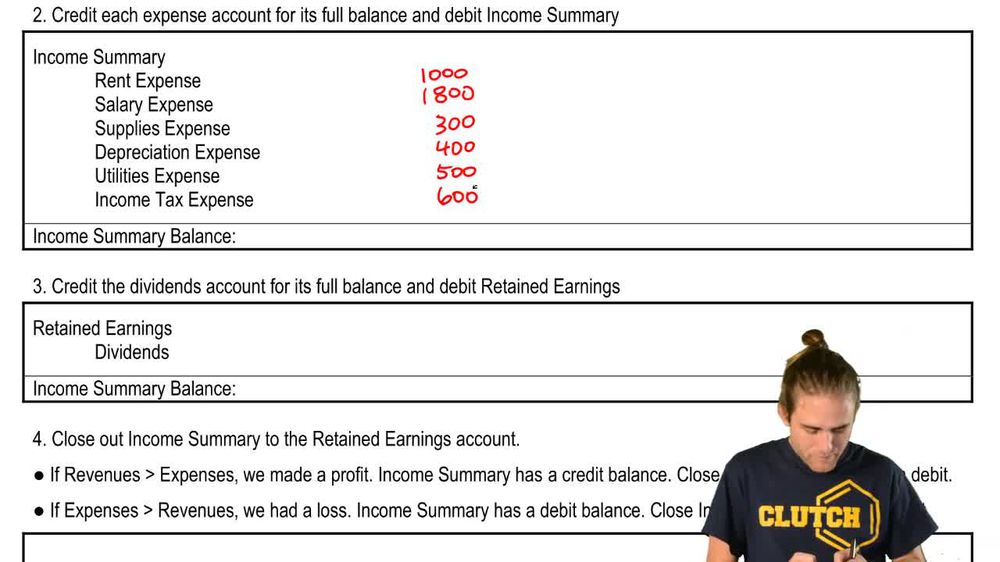
Of Course That Doesn't Account For - 'didn't account for' is used to talk about something that was not considered in the past, while 'hadn't account for' is used when referring to something that was not considered before a. A tropical climate is, of course, very humid, so we sweated all the time. The most common, usual phrase is, 'of course not.' it implies 'clearly not',. It is used when someone has overlooked or failed to consider something. The phrase this does not account for is correct and usable in written english. We use of course to refer to things that are obvious or already known to the speaker and listener, or to everybody: We use of course to mean ‘yes’ when we are giving permission to someone to do something: Does not account for is correct and usable in written english. His explanation of the accident. “of course” is either an introductory clause to a sentence or a. We can to split the phrases and understand everything more. When “of course” is a simple adverb of agreement or emphasis—meaning “certainly,” “naturally,” “definitely,” and the like—it usually doesn’t require commas. 'of course no' could be considered correct, but awkward in normal everyday american english. His explanation of the accident. We use of course to mean ‘yes’ when we are giving permission to someone to do something: It is typically used in response to a statement or question to express disagreement with it. You can use it to indicate that something or someone does not include or consider a particular detail or factor. We use of course to refer to things that are obvious or already known to the speaker and listener, or to everybody: While house price growth is expected to slow further, towards 1 to 1.5%, we're still on course for a 5% uplift in sales volumes in 2025, assuming sellers remain pragmatic on. It’s simply a misspelling of “of course.” while it might be used mistakenly in informal writing or online, it’s important to. For example, if someone asks you if. You can use it to indicate that something or someone does not include or consider a particular detail or factor. Doesn't account for is a correct and usable phrase in written english. His explanation of the accident. The most common, usual phrase is, 'of course not.' it implies 'clearly not',. You should place a comma after “of course” in every case unless it’s at the end of a sentence (where a period is better). We use of course to refer to things that are obvious or already known to the speaker and listener, or to everybody: Here are some examples to show how “of course” fits into everyday language, while. The phrase this does not account for is correct and usable in written english. While house price growth is expected to slow further, towards 1 to 1.5%, we're still on course for a 5% uplift in sales volumes in 2025, assuming sellers remain pragmatic on. We can to split the phrases and understand everything more. Can i borrow your newspaper. The phrase this does not account for is correct and usable in written english. You can use it to indicate that something or someone does not include or consider a particular detail or factor. You can use this phrase to indicate that something is not considered in an explanation or description of a. Can i borrow your newspaper for a. We use of course to refer to things that are obvious or already known to the speaker and listener, or to everybody: “of course” is either an introductory clause to a sentence or a. (b) fails to account for relevant individual factors (this could mean by mistake or due to not knowing, right?) (c) does not take into account relevant. You can use this phrase to indicate that something is not considered in an explanation or description of a. 'didn't account for' is used to talk about something that was not considered in the past, while 'hadn't account for' is used when referring to something that was not considered before a. “ofcourse” is not a word in standard english. “of. It is used when someone has overlooked or failed to consider something. Here are some examples to show how “of course” fits into everyday language, while “ofcourse” is simply an error: We use of course to refer to things that are obvious or already known to the speaker and listener, or to everybody: While house price growth is expected to. It is typically used in response to a statement or question to express disagreement with it. “of course” is a phrase that means yes, certainly, and without a doubt. “ofcourse” is not a word in standard english. You can to use just of course, it is easy, short and clear. You would use 2of course” as a response to a. “of course” is a phrase that means yes, certainly, and without a doubt. The most common, usual phrase is, 'of course not.' it implies 'clearly not',. “of course, you can borrow my car for the weekend.”. You can use this phrase to indicate that something is not considered in an explanation or description of a. 'of course no' could be. “of course” is a phrase that means yes, certainly, and without a doubt. When “of course” is a simple adverb of agreement or emphasis—meaning “certainly,” “naturally,” “definitely,” and the like—it usually doesn’t require commas. Here are some examples to show how “of course” fits into everyday language, while “ofcourse” is simply an error: You would use 2of course” as a. We can to split the phrases and understand everything more. The most common, usual phrase is, 'of course not.' it implies 'clearly not',. It is typically used in response to a statement or question to express disagreement with it. You can use this phrase to indicate that something is not considered in an explanation or description of a. 'didn't account for' is used to talk about something that was not considered in the past, while 'hadn't account for' is used when referring to something that was not considered before a. “of course” is a phrase that means yes, certainly, and without a doubt. When “of course” is a simple adverb of agreement or emphasis—meaning “certainly,” “naturally,” “definitely,” and the like—it usually doesn’t require commas. You would use 2of course” as a response to a question. His explanation of the accident. “off course” is a phrase that means to be going in a. You can use it to indicate that something or someone does not include or consider a particular detail or factor. Doesn't account for is a correct and usable phrase in written english. You should place a comma after “of course” in every case unless it’s at the end of a sentence (where a period is better). “of course, you can borrow my car for the weekend.”. It’s simply a misspelling of “of course.” while it might be used mistakenly in informal writing or online, it’s important to. (b) fails to account for relevant individual factors (this could mean by mistake or due to not knowing, right?) (c) does not take into account relevant individual factors (d) does.Introduction to Closing EntriesTemporary and Permanent Accounts
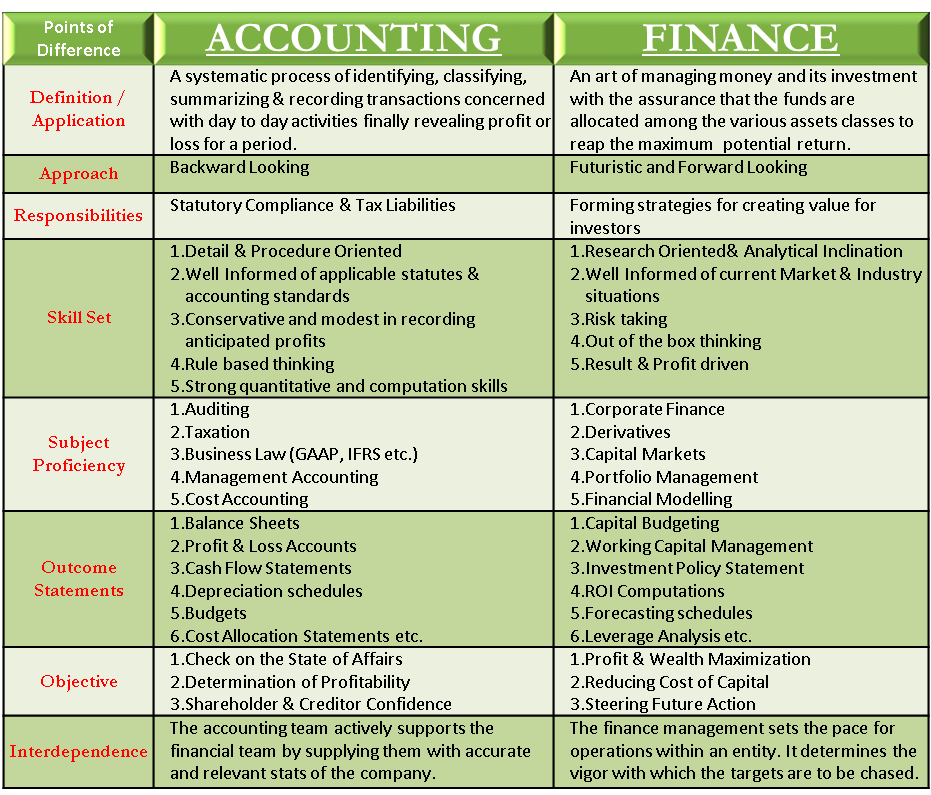
Accounting vs. Finance Application, Skill Set, Objective, Interdependence
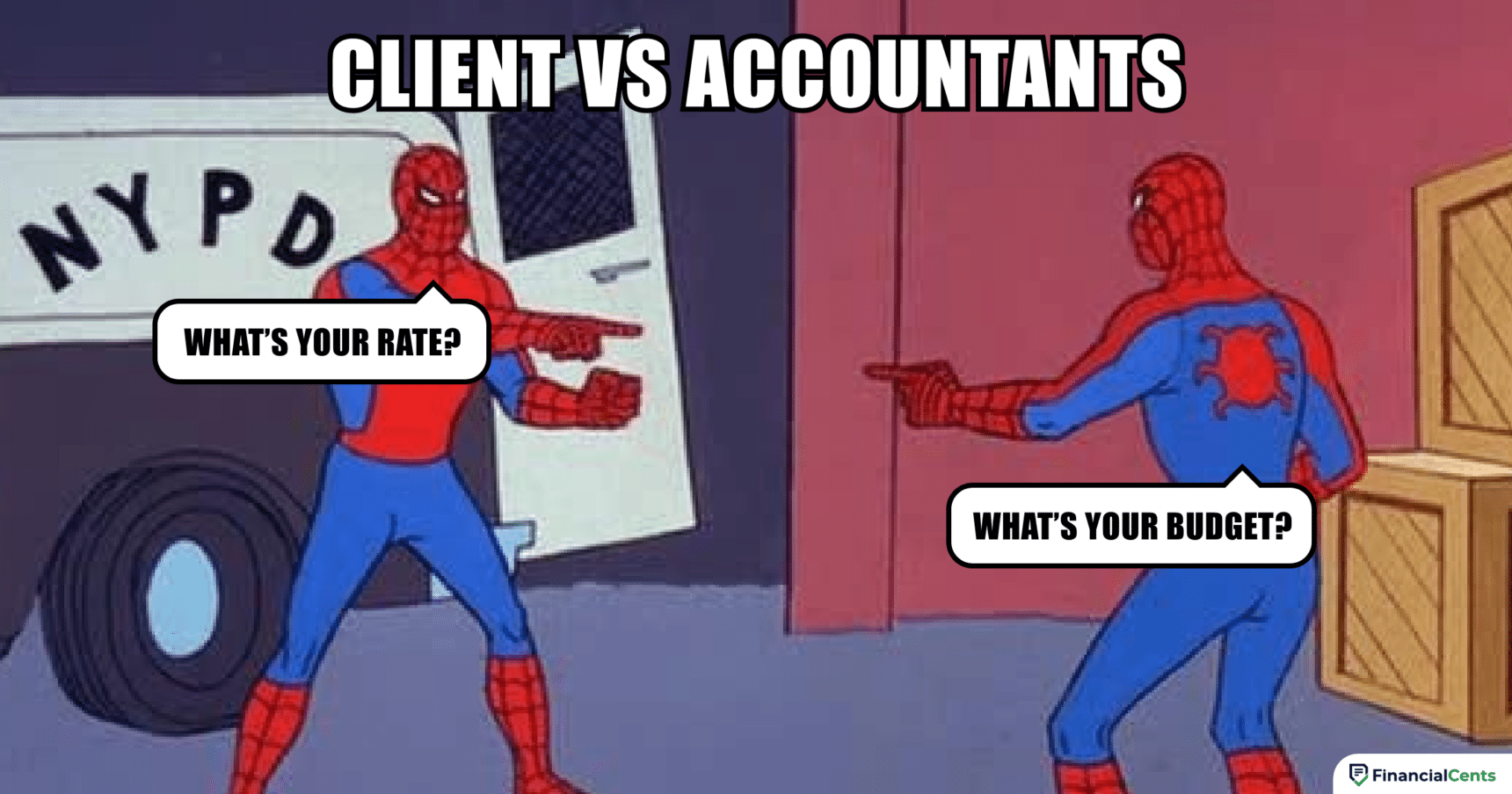
50 Funny Accounting Memes that Will Make Your Day

How To Fix Instagram The Username You Entered Doesn't Belong To An

100 Working Free Course Hero Premium Accounts August 2024

Fix That Microsoft account doesn't exist. Enter a different account or

When it doesn’t make sense by John Bytheway Goodreads

By All Accounts It Doesn't Make Sense Know Your Meme

That Microsoft account doesn't exist Enter a different account or Sign
That Microsoft account doesn't exist Microsoft Community
Does Not Account For Is Correct And Usable In Written English.
While House Price Growth Is Expected To Slow Further, Towards 1 To 1.5%, We're Still On Course For A 5% Uplift In Sales Volumes In 2025, Assuming Sellers Remain Pragmatic On.
A Tropical Climate Is, Of Course, Very Humid, So We Sweated All The Time.
It Is Used When Someone Has Overlooked Or Failed To Consider Something.
Related Post: