
Elective Requirement Course
Elective Requirement Course - In most cases, these classes are outside a student’s core curriculum. In some cases, your electives may act as prerequisites. Unlike core courses, which are mandatory. They may also have fewer students than required courses. Electives allow you to be picky and select college courses that fulfill a general education requirement, help boost your gpa or interest you “just because.” or they may give. General electives are common in most degree programs. Elective courses, often known as optional classes, are those that are not compulsory within a student’s major or program. Courses that don’t fulfill a specific slot in a degree program requirement list are elective classes. They may count toward the number of credits. Unlike compulsory courses that a student must take up to meet their program requirements, elective courses are taken by choice. Unlike compulsory courses that a student must take up to meet their program requirements, elective courses are taken by choice. In most cases, these classes are outside a student’s core curriculum. In simple terms, electives are courses or academic programs that you can choose from to supplement your required curriculum. Elective classes are part of a required graduation plan, but they allow students more flexibility in how they fulfill those requirements. In some cases, your electives may act as prerequisites. — electives are “free choice” credits that are included in the design of most majors. Elective courses, often known as optional classes, are those that are not compulsory within a student’s major or program. Students can use electives to relieve the pressures. Open electives may be filled by any course offered by the college. Electives are courses that you can choose to take or not take. Unlike compulsory courses that a student must take up to meet their program requirements, elective courses are taken by choice. Explore what classes are required in college. Attending college is an exciting and. An elective class is a course that is not specifically required for graduation or to fulfill the requirements of a specific major, but can be taken for. Attending college is an exciting and. Electives are courses that count toward your credits for graduation, but are not requirements for your particular degree of study. Hours required for electives may vary based on course selection and the university core curriculum requirements. It is important to understand the difference between the two and how each function in smart plan. Unlike. The required courses focus on progression in core subject areas, while electives give you a choice as to how you will fulfill your individual graduation requirements. Electives are courses that are not compulsory but are offered as optional subjects for students to choose from. Any course that may be applied toward a general education requirement is considered a general education. An elective class is a course that is not specifically required for graduation or to fulfill the requirements of a specific major, but can be taken for credit towards your high school. Electives are courses that count toward your credits for graduation, but are not requirements for your particular degree of study. Hours required for electives may vary based on. This means a student is free to choose the study topics. Any courses offered at your college or. Any course that may be applied toward a general education requirement is considered a general education elective. Unlike core courses, which are mandatory. Electives are a great opportunity for students to focus on a concentration they're interested in within their degree or. Most educational programs prefer that students to take a. It is important to understand the difference between the two and how each function in smart plan. Transfer electives may be filled by any general education elective or other transferable courses from. In most cases, these classes are outside a student’s core curriculum. Elective courses, sometimes referred to as options, allow. Attending college is an exciting and. Sometimes you’ll choose electives that act as prerequisites to required classes for a major and minor. The required courses focus on progression in core subject areas, while electives give you a choice as to how you will fulfill your individual graduation requirements. Any course that may be applied toward a general education requirement is. This means a student is free to choose the study topics. Any course that may be applied toward a general education requirement is considered a general education elective. They may also have fewer students than required courses. Electives allow you to be picky and select college courses that fulfill a general education requirement, help boost your gpa or interest you. Electives are courses that count toward your credits for graduation, but are not requirements for your particular degree of study. Unlike core courses, which are mandatory. Transfer electives may be filled by any general education elective or other transferable courses from. In other words, electives are optional courses. In most cases, these classes are outside a student’s core curriculum. Any course that may be applied toward a general education requirement is considered a general education elective. Open electives may be filled by any course offered by the college. Below are a few different types of elective courses you can take in college:. Most educational programs prefer that students to take a. Electives are basically all of the “other courses”—beyond. They may count toward the number of credits. Open electives may be filled by any course offered by the college. Most educational programs prefer that students to take a. Any courses offered at your college or. Electives are courses that count toward your credits for graduation, but are not requirements for your particular degree of study. What elective courses should i take? Electives are courses that are not compulsory but are offered as optional subjects for students to choose from. In some cases, your electives may act as prerequisites. Electives are a great opportunity for students to focus on a concentration they're interested in within their degree or to complete the requirements for a minor. Elective courses tend to be more specialized than required courses. Electives allow you to be picky and select college courses that fulfill a general education requirement, help boost your gpa or interest you “just because.” or they may give. Hours required for electives may vary based on course selection and the university core curriculum requirements. Electives may be required to satisfy the advanced hour. Sometimes you’ll choose electives that act as prerequisites to required classes for a major and minor. Courses that don’t fulfill a specific slot in a degree program requirement list are elective classes. Below are a few different types of elective courses you can take in college:.
CE elective courses for 1st Sem AY202223 UP Institute of Civil

Terminologies describing elective courses and their types. Download Table

Required and Compulsory Elective Courses Download Table
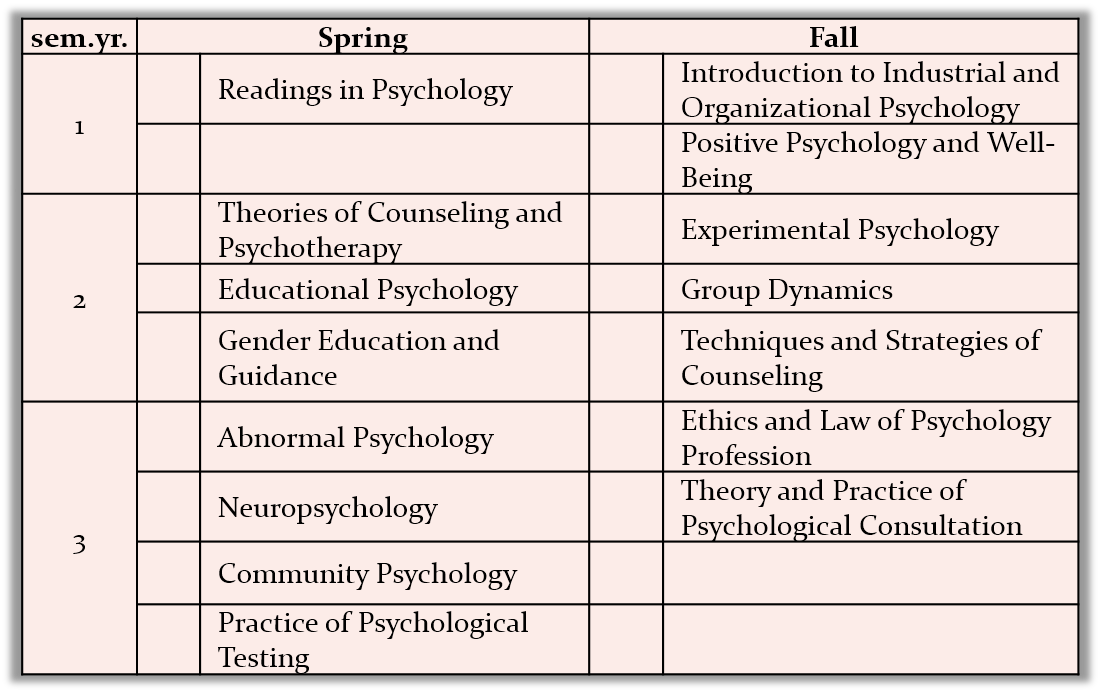
Undergraduate
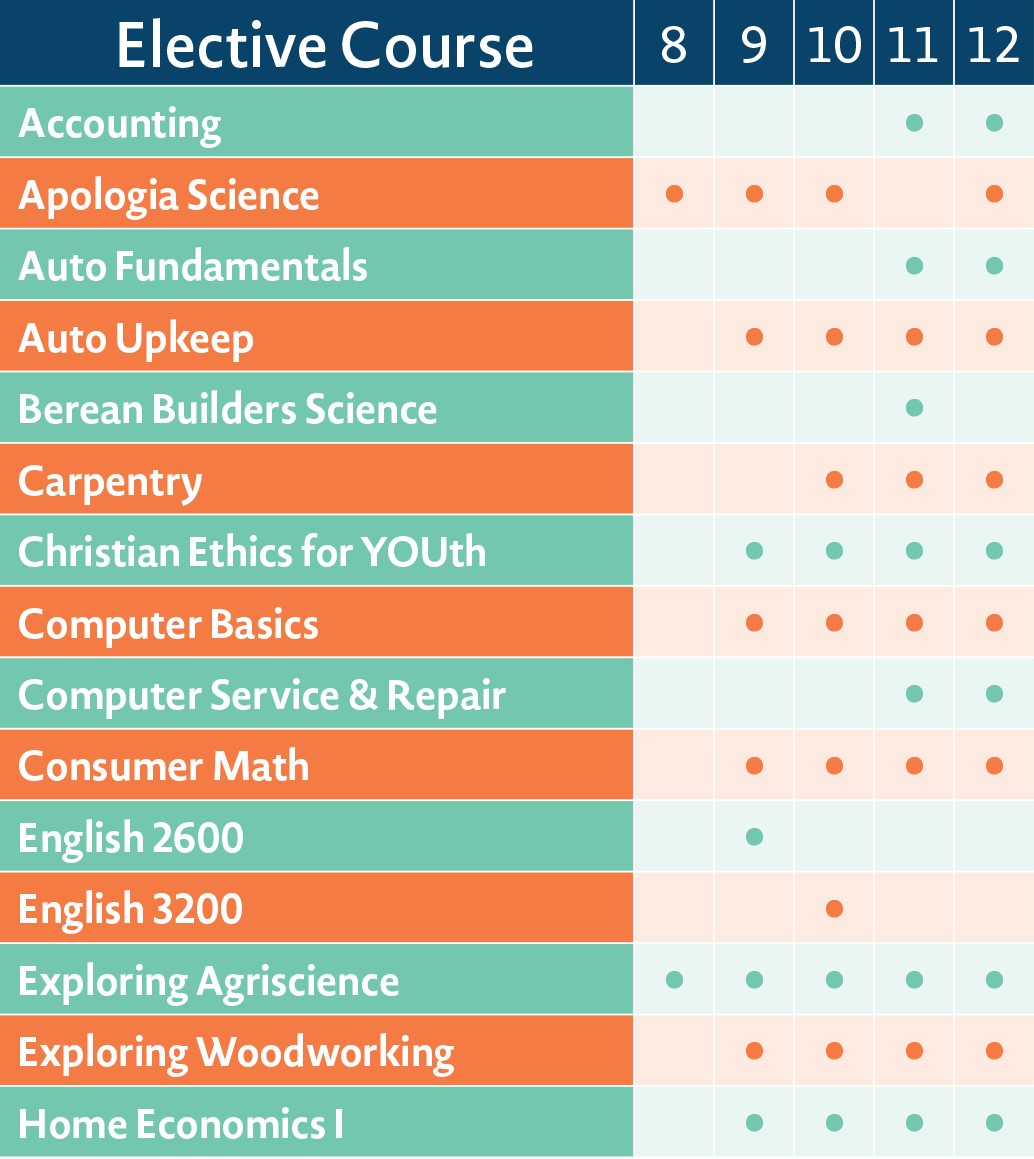
Christian Light High School Electives
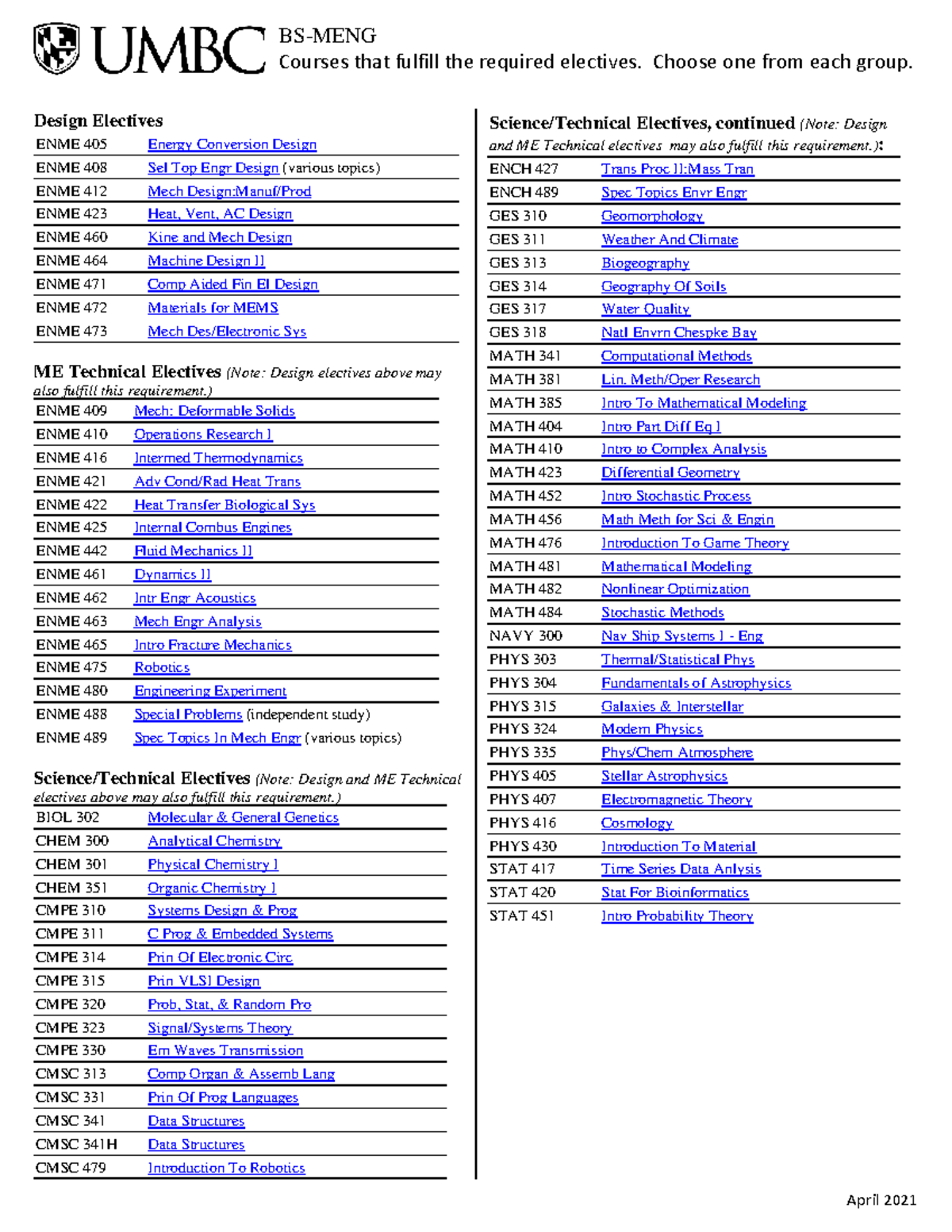
List of courses for Electives April 2021 BSMENG Courses that fulfill
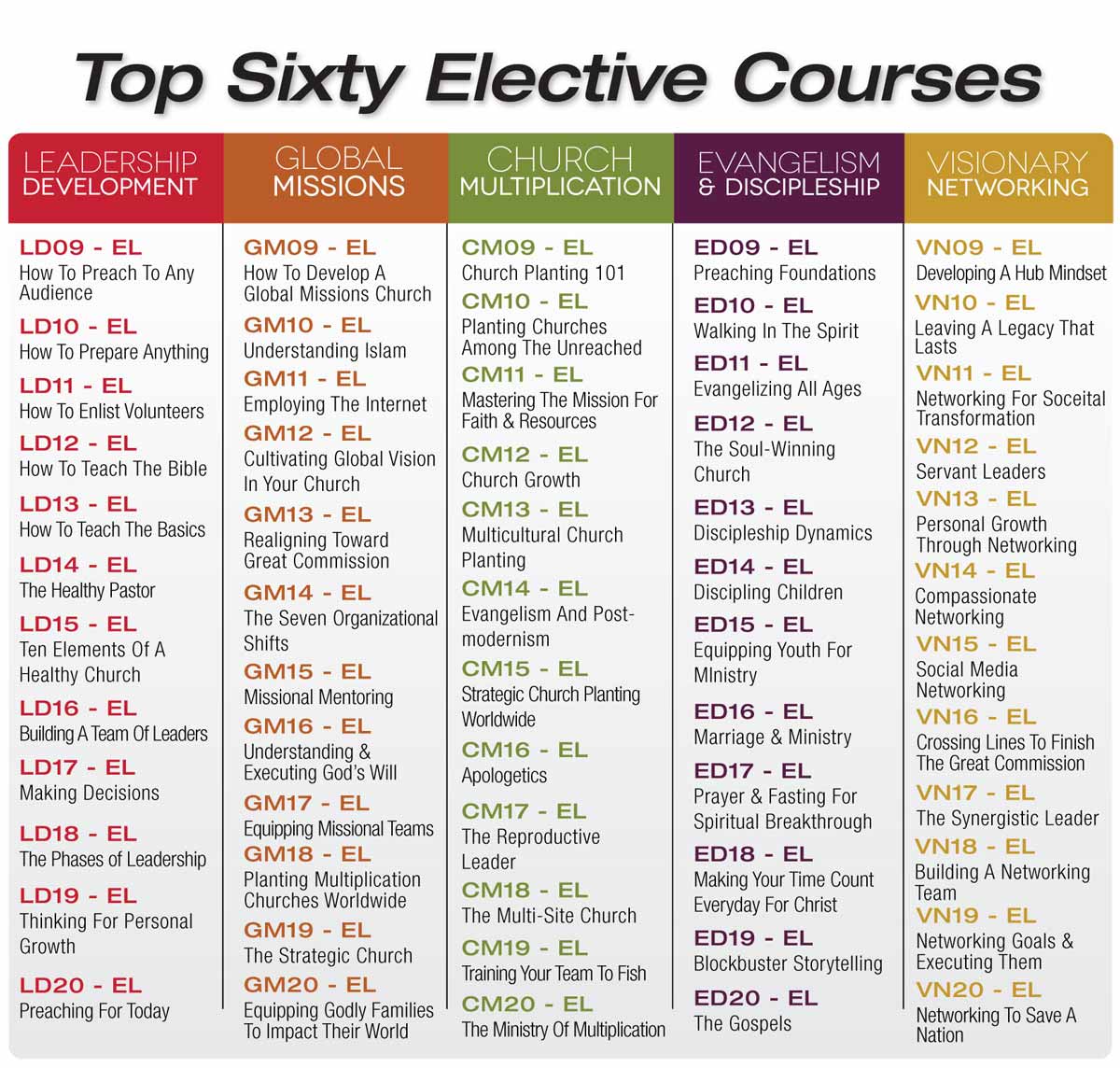
About GCLC

ELECTIVE COURSE LIST
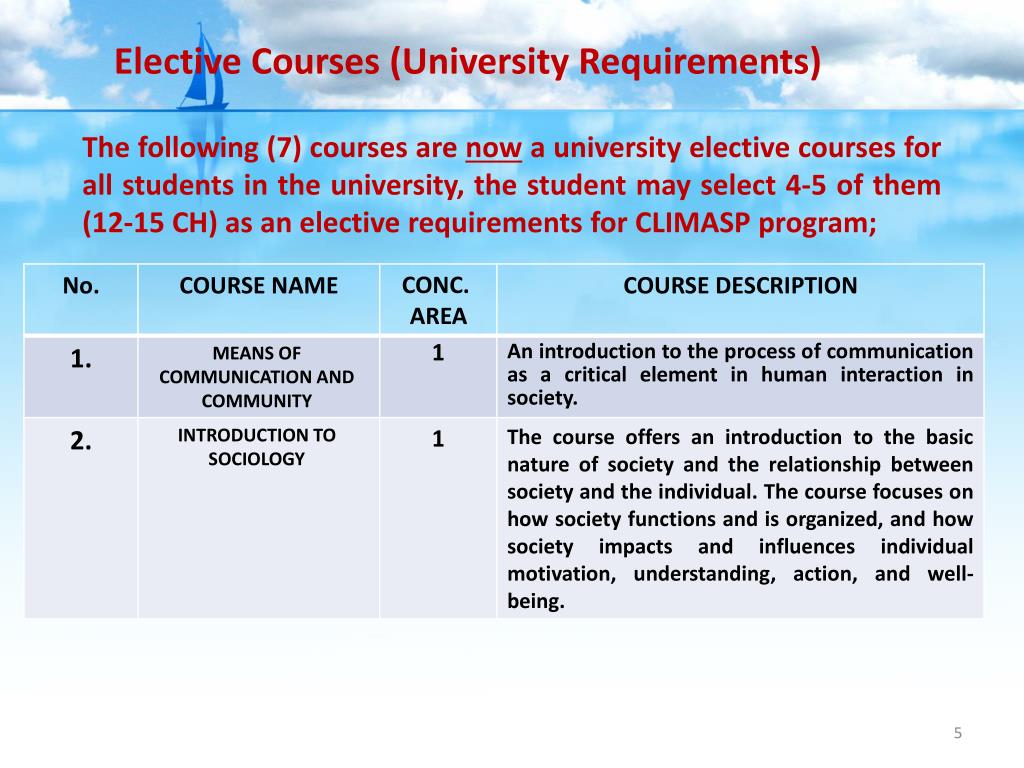
PPT Development of Interdisciplinary Program on Climate Change and
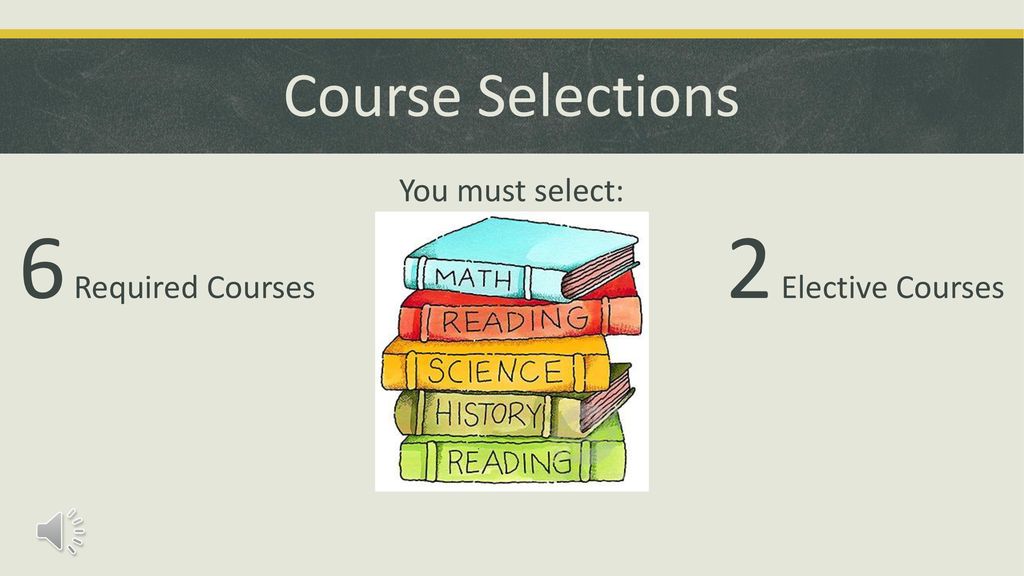
River Bend Middle School ppt download
Any Course That May Be Applied Toward A General Education Requirement Is Considered A General Education Elective.
Elective Courses, Sometimes Referred To As Options, Allow Students More Flexibility In Picking Classes They Want.
General Electives Are Common In Most Degree Programs.
An Elective Class Is A Course That Is Not Specifically Required For Graduation Or To Fulfill The Requirements Of A Specific Major, But Can Be Taken For Credit Towards Your High School.
Related Post: