
Developmental Life Course Theory
Developmental Life Course Theory - Population heterogeneity or state dependence? Which theory do you think is more correct: The pioneering longitudinal studies of child development (all launched in. Life course theory is a framework for studying human development across the life span, influenced by historical context, social pathways, and life transitions. The developmental life course perspective emphasizes the importance of milestones, events, and transitions throughout life in understanding when or if criminal behavior will start and stop. (a) the development of offending and antisocial behaviour from the womb to the tomb; Life course theory has evolved since the 1960s through programmatic efforts to address such issues. Dlc theories can be roughly divided into being more developmental in nature, with clear roots in. Several theories are outlined in this research. This article explores the interplay between changing life circumstances and developmental trajectories, highlighting the implications of life transitions across different stages from. Which theory do you think is more correct: Desistance theory aims to explain why there is a dramatic decrease in the number of crimes committed after adolescence. Population heterogeneity or state dependence? Life course theory (lct) is a multifaceted theoretical framework that seeks to understand the development of individuals and families across their lifespan, taking into. (a) the development of offending and antisocial behaviour from the womb to the tomb; Several theories are outlined in this research. The developmental life course perspective emphasizes the importance of milestones, events, and transitions throughout life in understanding when or if criminal behavior will start and stop. This article explores the interplay between changing life circumstances and developmental trajectories, highlighting the implications of life transitions across different stages from. Life course theory has evolved since the 1960s through programmatic efforts to address such issues. Discuss the question of whether people do or do not change over their life. The developmental life course perspective emphasizes the importance of milestones, events, and transitions throughout life in understanding when or if criminal behavior will start and stop. Life course theory (lct) looks at how chronological age, relationships, common life transitions, life events, social change, and human agency shape people’s lives from birth to. Discuss the question of whether people do or. Discuss the question of whether people do or do not change over their life. Life course theory is a framework for studying human development across the life span, influenced by historical context, social pathways, and life transitions. The life histories and future trajectories of. Life course theory (lct) is a multifaceted theoretical framework that seeks to understand the development of. Discuss the question of whether people do or do not change over their life. Life course theory is a framework for studying human development across the life span, influenced by historical context, social pathways, and life transitions. Life course theory (lct) is a multifaceted theoretical framework that seeks to understand the development of individuals and families across their lifespan, taking. The pioneering longitudinal studies of child development (all launched in. Which theory do you think is more correct: The life histories and future trajectories of. Dlc theories can be roughly divided into being more developmental in nature, with clear roots in. Desistance theory aims to explain why there is a dramatic decrease in the number of crimes committed after adolescence. The life histories and future trajectories of. (a) the development of offending and antisocial behaviour from the womb to the tomb; Population heterogeneity or state dependence? Which theory do you think is more correct: Desistance theory aims to explain why there is a dramatic decrease in the number of crimes committed after adolescence. Life course theory (lct) looks at how chronological age, relationships, common life transitions, life events, social change, and human agency shape people’s lives from birth to. Which theory do you think is more correct: Life course theory has evolved since the 1960s through programmatic efforts to address such issues. (a) the development of offending and antisocial behaviour from the womb. Life course theory is a framework for studying human development across the life span, influenced by historical context, social pathways, and life transitions. Several theories are outlined in this research. Dlc theories can be roughly divided into being more developmental in nature, with clear roots in. Discuss the question of whether people do or do not change over their life.. The developmental life course perspective emphasizes the importance of milestones, events, and transitions throughout life in understanding when or if criminal behavior will start and stop. The pioneering longitudinal studies of child development (all launched in. Life course theory is a framework for studying human development across the life span, influenced by historical context, social pathways, and life transitions. Discuss. Discuss the question of whether people do or do not change over their life. Population heterogeneity or state dependence? Dlc theories can be roughly divided into being more developmental in nature, with clear roots in. Several theories are outlined in this research. The pioneering longitudinal studies of child development (all launched in. Discuss the question of whether people do or do not change over their life. Dlc theories can be roughly divided into being more developmental in nature, with clear roots in. Several theories are outlined in this research. The life histories and future trajectories of. Life course theory (lct) looks at how chronological age, relationships, common life transitions, life events, social. Population heterogeneity or state dependence? This article explores the interplay between changing life circumstances and developmental trajectories, highlighting the implications of life transitions across different stages from. Life course theory (lct) is a multifaceted theoretical framework that seeks to understand the development of individuals and families across their lifespan, taking into. (a) the development of offending and antisocial behaviour from the womb to the tomb; Dlc theories can be roughly divided into being more developmental in nature, with clear roots in. The life histories and future trajectories of. Several theories are outlined in this research. Life course theory has evolved since the 1960s through programmatic efforts to address such issues. Which theory do you think is more correct: The developmental life course perspective emphasizes the importance of milestones, events, and transitions throughout life in understanding when or if criminal behavior will start and stop. Discuss the question of whether people do or do not change over their life. Life course theory (lct) looks at how chronological age, relationships, common life transitions, life events, social change, and human agency shape people’s lives from birth to.Developmental pathways reflecting a life course approach to
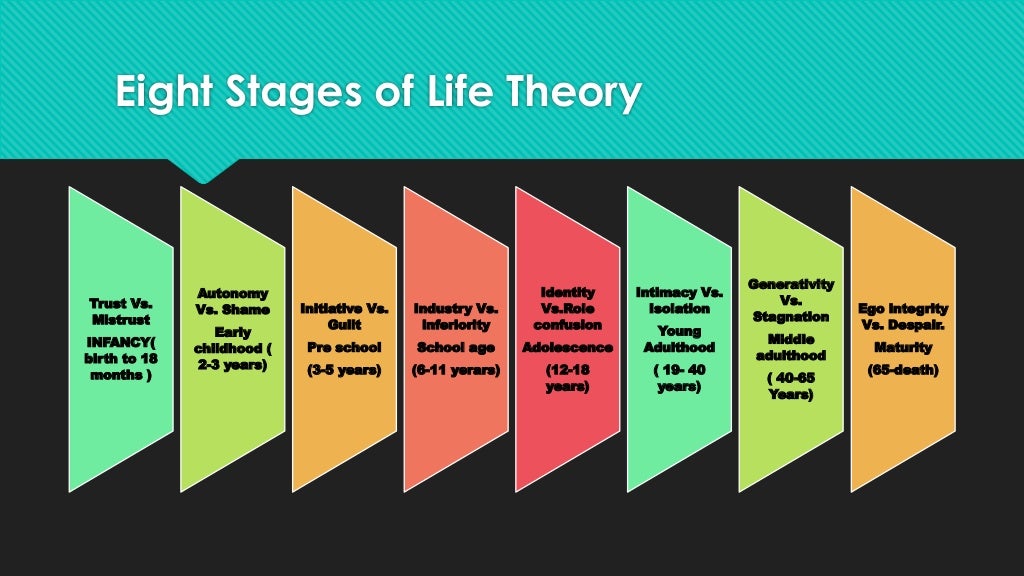
Erikson’s eight stages of life theory
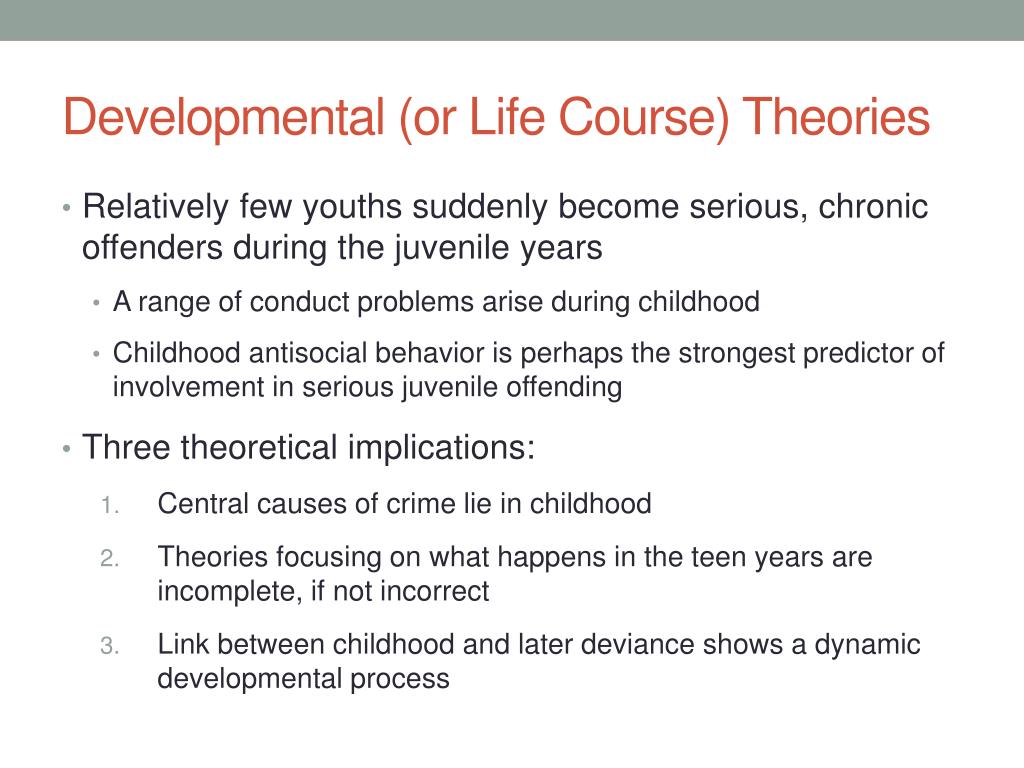
PPT Developmental Theories Crime and the Life Course PowerPoint
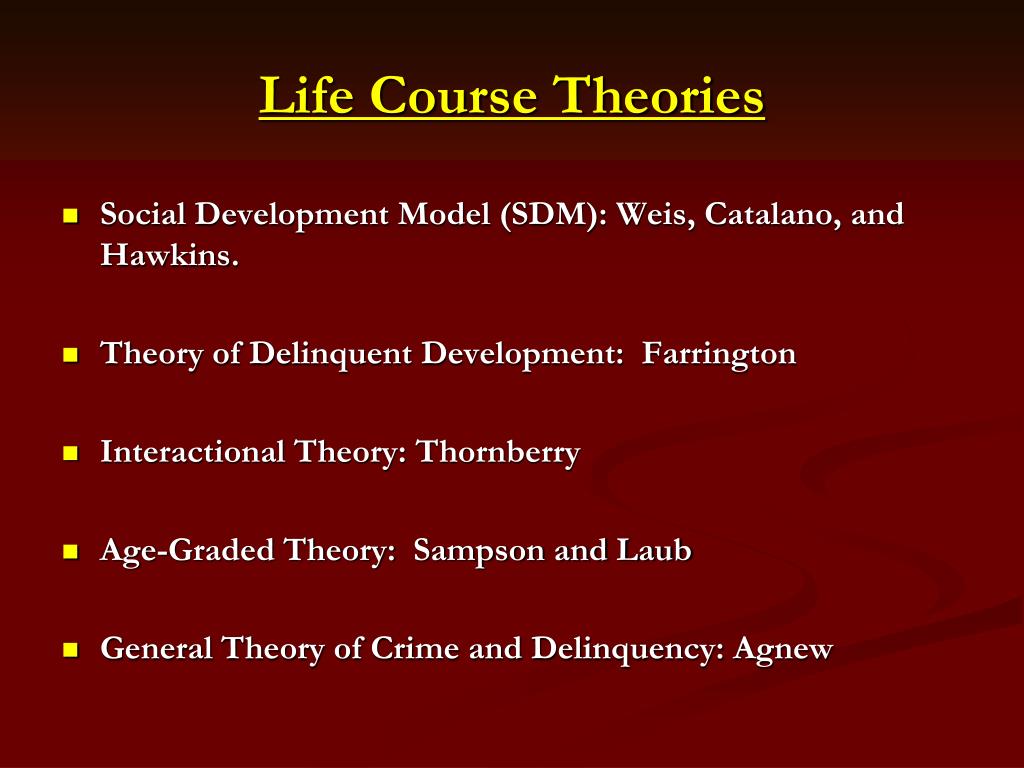
PPT Chapter 9 Developmental Theories Latent Trait and Life Course
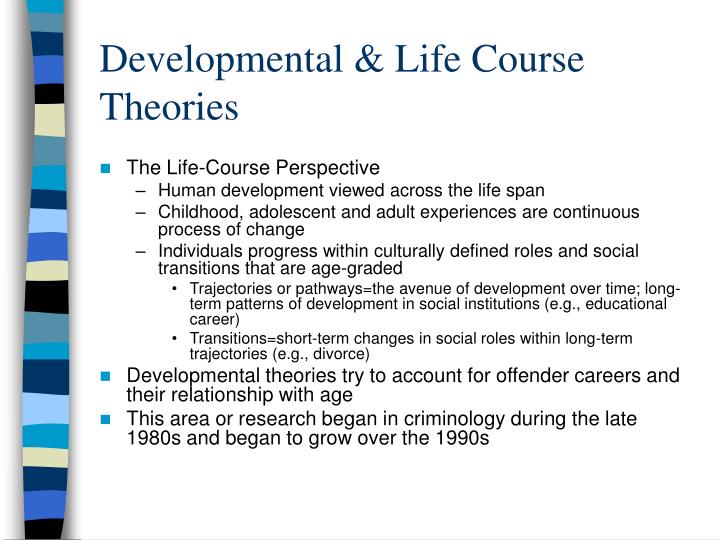
PPT Theories of Juvenile Delinquency PowerPoint Presentation ID4647570
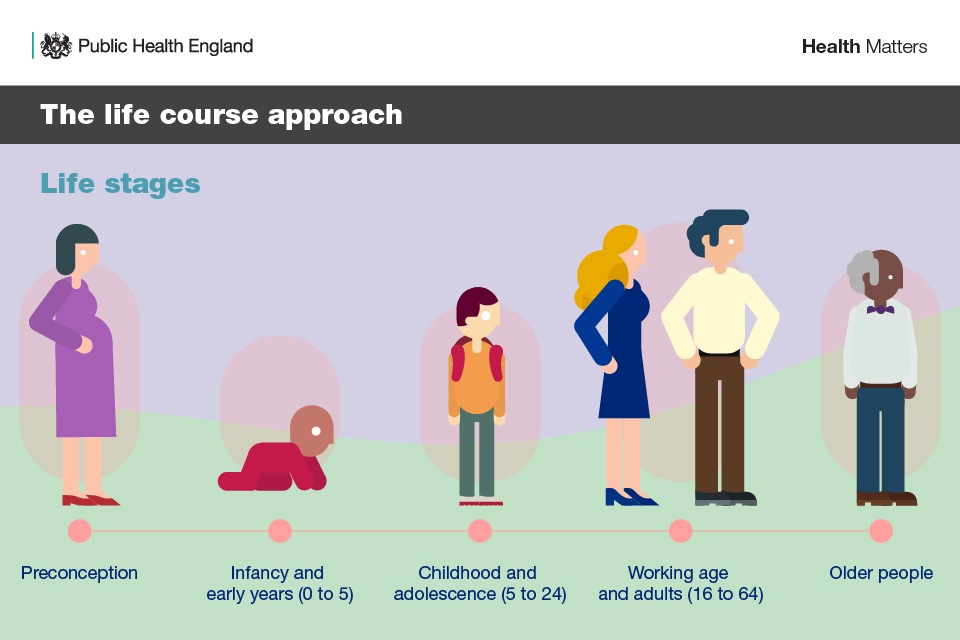
Health matters Prevention a life course approach GOV.UK

Chapter 14 Developmental and LifeCourse Theories Diagram Quizlet

Lesson Developmental (Life Course) Theories ppt video online download
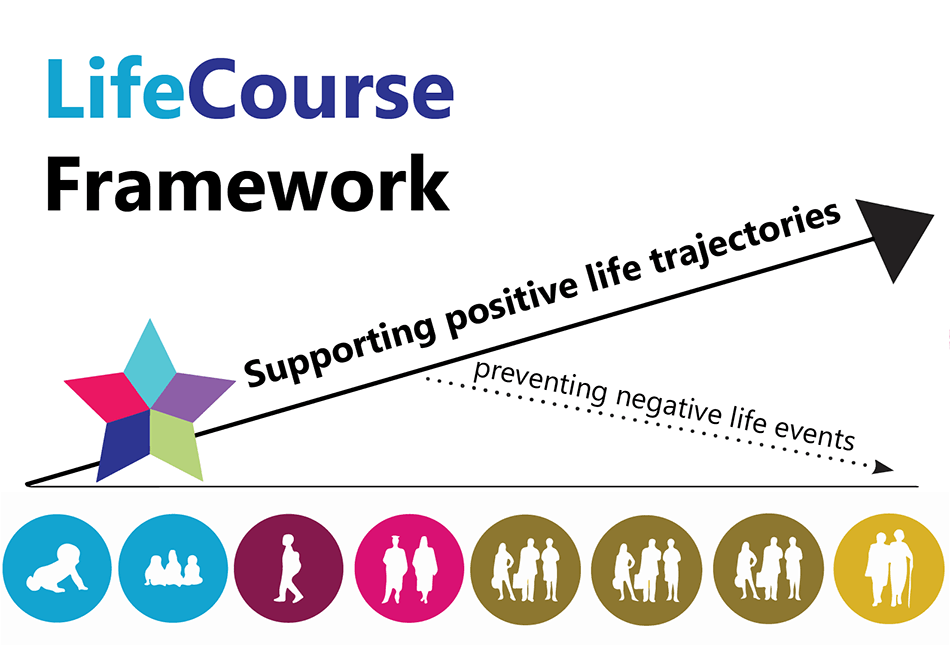
LifeCourse Framework Developmental Disabilities Division (DDD)
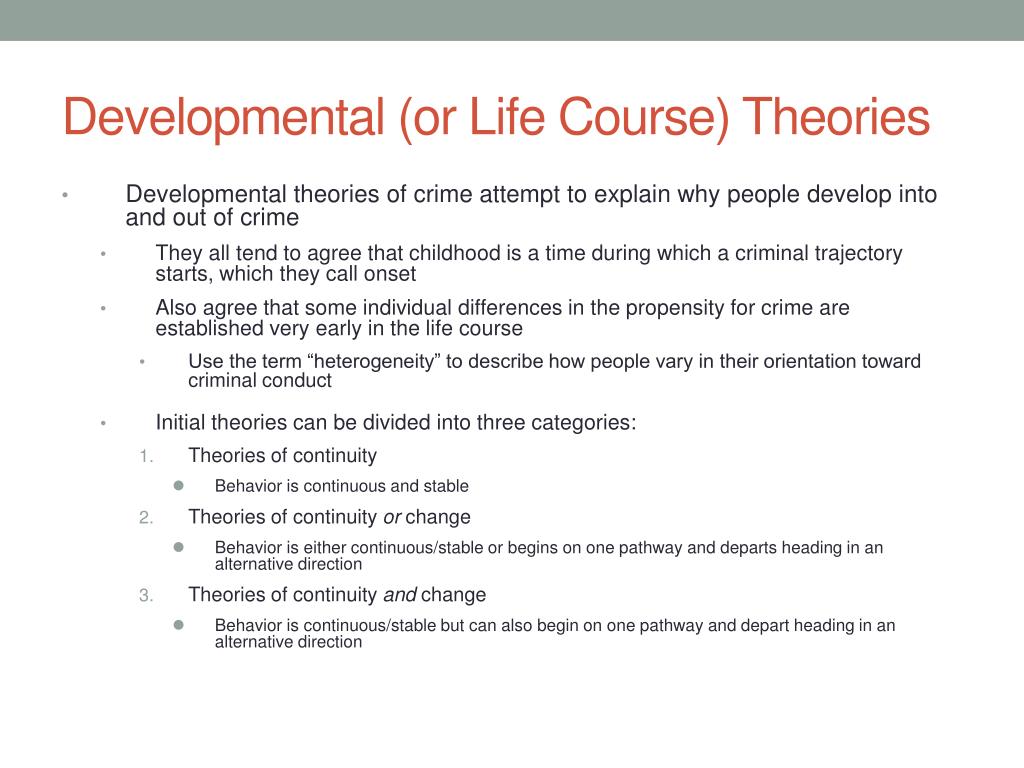
PPT Developmental Theories Crime and the Life Course PowerPoint
The Pioneering Longitudinal Studies Of Child Development (All Launched In.
Desistance Theory Aims To Explain Why There Is A Dramatic Decrease In The Number Of Crimes Committed After Adolescence.
Life Course Theory Is A Framework For Studying Human Development Across The Life Span, Influenced By Historical Context, Social Pathways, And Life Transitions.
Related Post: