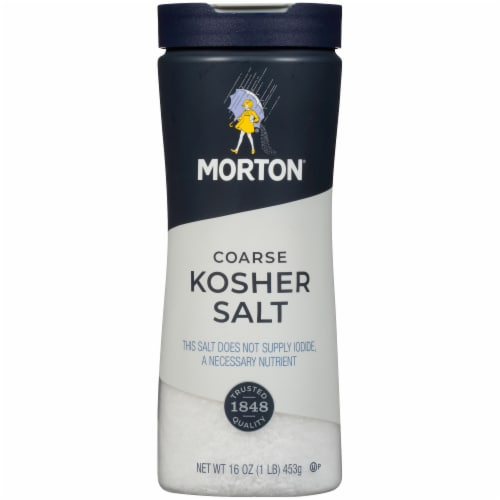
Course Kosher Salt
Course Kosher Salt - It’s amazing how far the right salt can take you. Kosher salt has a large, coarse, uneven grain. Choose from same day delivery, drive up or order pickup plus free shipping on orders $35+. What’s the difference between “ kosher salt” and regular table salt? Read on to find out why. If needed, swap with half the amount of table salt or use sea salt in equal measure. This gives it a big advantage vs table salt — keep reading for why. Turn off the heat, only turning onto low if the mixture starts to separate. 3 medium plum tomatoes (about 8 ounces), cored. Kosher salt or kitchen salt[1] (also called cooking salt, rock salt, kashering salt, or koshering salt) is coarse edible salt usually without common additives such as iodine, [2][3][4][5] typically used in cooking and not at the table. Here's how to identify and differentiate kosher salt, sea salt, and table salt: Kosher salt or kitchen salt[1] (also called cooking salt, rock salt, kashering salt, or koshering salt) is coarse edible salt usually without common additives such as iodine, [2][3][4][5] typically used in cooking and not at the table. You could also use pork steaks! Shop target for extra course salt you will love at great low prices. Kosher salt has a large, coarse, uneven grain. Explore uncharted grain sizes, textures and tastes with morton ® kosher and sea salts, plus get tips that up your cooking game. While there are dozens of different kinds of salt available, professional chefs often reach for kosher salt for seasoning. It's usually not iodized and it's very versatile, as it's composed of large, light flakes that don't dissolve immediately. It’s amazing how far the right salt can take you. But what is kosher salt? Made from sea salt, it’s popular for its affordability, easy access, and versatility in almost any dinner recipe, side dish, or other savory recipes. Kosher salt or kitchen salt[1] (also called cooking salt, rock salt, kashering salt, or koshering salt) is coarse edible salt usually without common additives such as iodine, [2][3][4][5] typically used in cooking and not at the. Explore uncharted grain sizes, textures and tastes with morton ® kosher and sea salts, plus get tips that up your cooking game. Kosher salt is a type of sea salt or mined salt with coarse, irregular grains that are smaller than those of a flaky finishing salt yet larger and coarser than the table salt you’d find in a shaker.. So, why use kosher salt in your cooking? Kosher salt has a large, coarse, uneven grain. Explore uncharted grain sizes, textures and tastes with morton ® kosher and sea salts, plus get tips that up your cooking game. Depending on the brand and the evaporation process, kosher salt crystals may be flaky or shaped almost like diamonds, if your eyesight. Depending on the brand and the evaporation process, kosher salt crystals may be flaky or shaped almost like diamonds, if your eyesight is good enough to see their dimensions. The coarse texture of morton kosher salt makes it easy to grab and sprinkle just the perfect amount, allowing you to easily control the amount of salt you add to all. It consists mainly of sodium chloride. Turn off the heat, only turning onto low if the mixture starts to separate. Diamond crystal ® kosher salt, the preferred kosher salt of professional chefs and serious home cooks is now available in select retails locations! Here's how to identify and differentiate kosher salt, sea salt, and table salt: These salts may vary. The primary difference between these kosher salts is that coarse kosher salt is produced by being mined while fine or regular kosher salt is processed and meets guidelines set out by the jewish orthodox union and kosher without compromise. It consists mainly of sodium chloride. It’s amazing how far the right salt can take you. It consists mainly of sodium.. These salts may vary slightly in flavor, mineral content, and source. As a topping for bread, rolls, bagels and soft pretzels; The most important takeaway is that kosher salt is flavor. If needed, swap with half the amount of table salt or use sea salt in equal measure. Explore uncharted grain sizes, textures and tastes with morton ® kosher and. Free shipping on orders over $49. 1 serrano chili, halved lengthwise and seeded. Unlike table salt, which has fine, uniform crystals, kosher salt has larger, irregular flakes. It is characterized by its larger grain size compared to regular table salt, which makes it particularly suitable for culinary. Shop target for extra course salt you will love at great low prices. Look for the traditional 3 lb. Kosher salt or kitchen salt[1] (also called cooking salt, rock salt, kashering salt, or koshering salt) is coarse edible salt usually without common additives such as iodine, [2][3][4][5] typically used in cooking and not at the table. 2 medium garlic cloves, smashed and peeled. Depending on the brand and the evaporation process, kosher salt. Kosher salt has a large, coarse, uneven grain. Diamond crystal ® kosher salt, the preferred kosher salt of professional chefs and serious home cooks is now available in select retails locations! There are several popular types of course salt available, each with its own unique characteristics. ¼ medium white onion, peeled, layers separated While there are dozens of different kinds. Read on to find out why. If unavailable, mix 1 cup of milk with 1 tablespoon of lemon juice or vinegar and let it sit for 5 minutes. Kosher salt or kitchen salt[1] (also called cooking salt, rock salt, kashering salt, or koshering salt) is coarse edible salt usually without common additives such as iodine, [2][3][4][5] typically used in cooking and not at the table. The most important takeaway is that kosher salt is flavor. You could also use pork steaks! Turn off the heat, only turning onto low if the mixture starts to separate. Shop target for extra course salt you will love at great low prices. So, why use kosher salt in your cooking? Unlike table salt, which has fine, uniform crystals, kosher salt has larger, irregular flakes. Free shipping on orders over $49. What’s the difference between “ kosher salt” and regular table salt? While there are dozens of different kinds of salt available, professional chefs often reach for kosher salt for seasoning. ¼ medium white onion, peeled, layers separated This gives it a big advantage vs table salt — keep reading for why. It's usually not iodized and it's very versatile, as it's composed of large, light flakes that don't dissolve immediately. Maple syrup or brown sugar can be used as alternatives.
MORTON COARSE KOSHER SALT
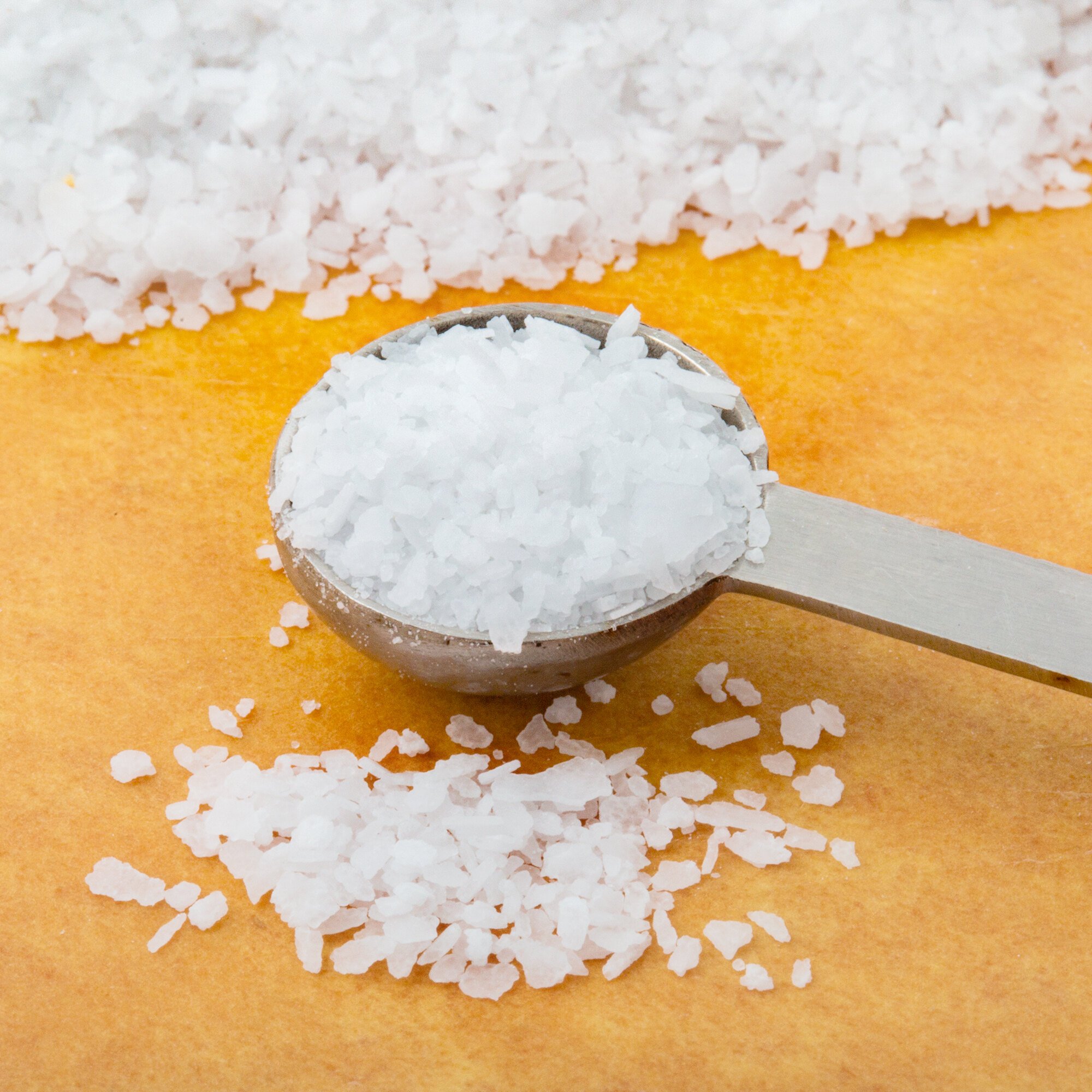
Morton Coarse Kosher Salt 3 lb. Box
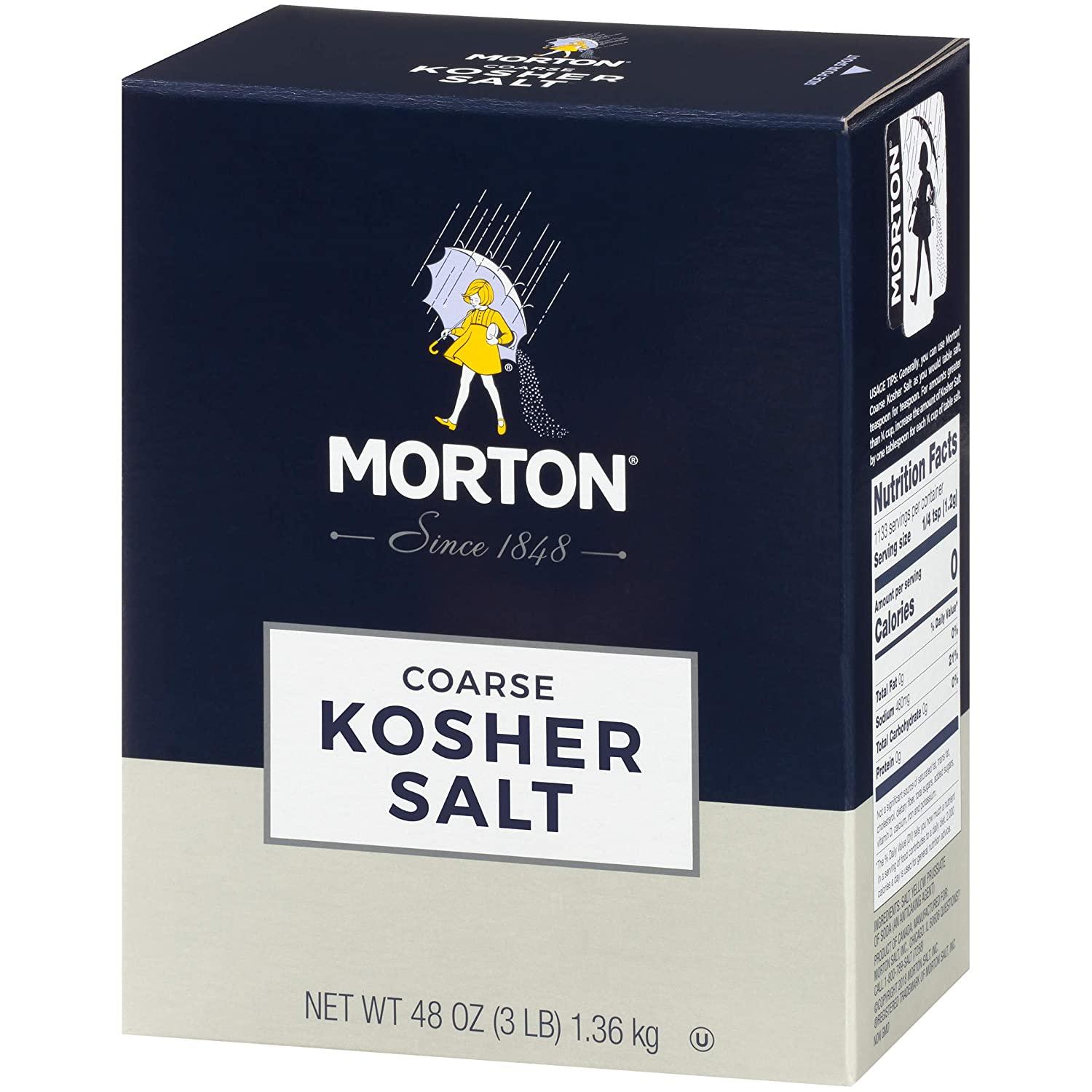
Morton Coarse Kosher Salt 3 lbs. (2 Pack) Premium Quality Sea Salt
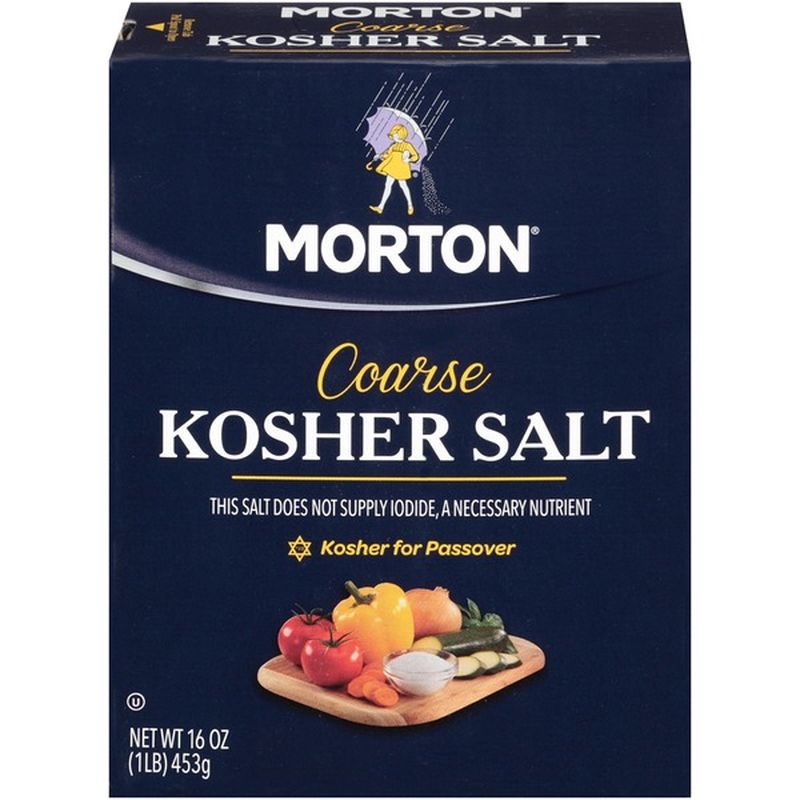
Morton Coarse Kosher Salt Coarse Kosher Salt (16 oz) Instacart
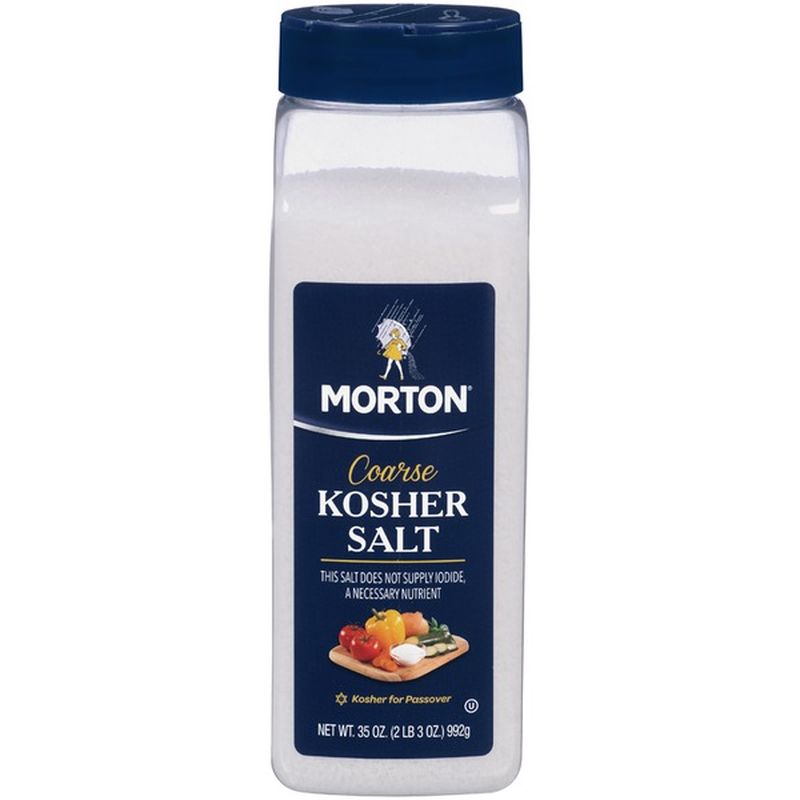
Morton Coarse Kosher Salt Kosher Coarse Salt (35 oz) Instacart
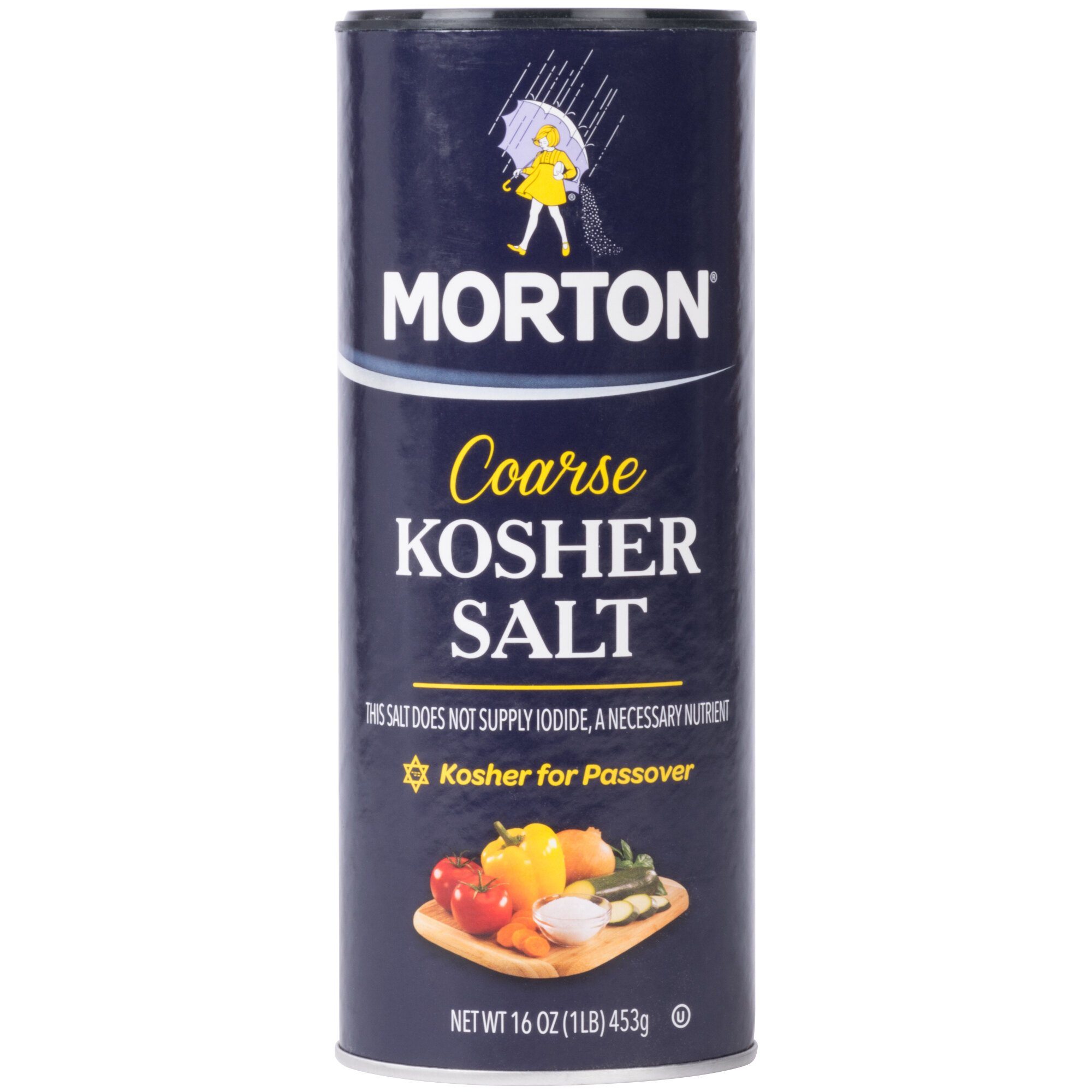
Morton 16 oz. Coarse Kosher Salt

Morton® Coarse Kosher Salt 16 oz. Shaker La Comprita
Morton® Coarse Kosher Salt, 16 oz Ralphs
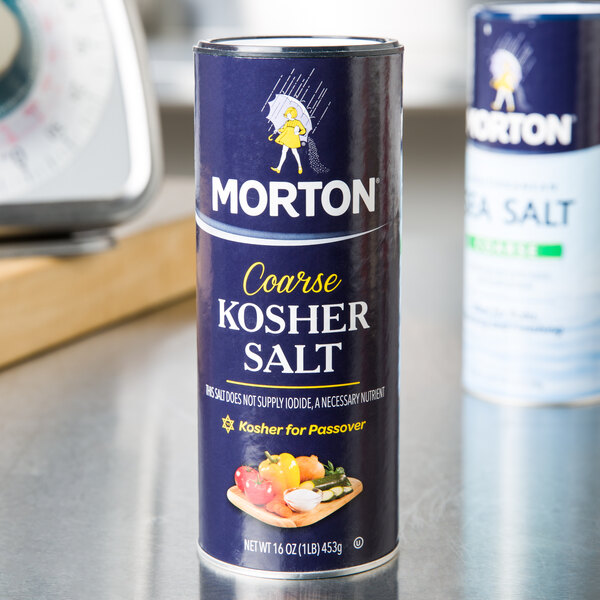
Morton 16 oz. Coarse Kosher Salt

Morton Salt Coarse Kosher Salt, 16 oz Amazon.co.uk Grocery
3 Medium Plum Tomatoes (About 8 Ounces), Cored.
Depending On The Brand And The Evaporation Process, Kosher Salt Crystals May Be Flaky Or Shaped Almost Like Diamonds, If Your Eyesight Is Good Enough To See Their Dimensions.
The Primary Difference Between These Kosher Salts Is That Coarse Kosher Salt Is Produced By Being Mined While Fine Or Regular Kosher Salt Is Processed And Meets Guidelines Set Out By The Jewish Orthodox Union And Kosher Without Compromise.
Morton ® Coarse Kosher Salt May Be Used Whenever A Coarse Flake Salt Is Desired, Such As Garnishing The Rim Of Margarita Glasses;
Related Post: