
Course And Scope
Course And Scope - Any injury suffered while travelling to, at, or from an airport, hotel or external office is generally compensable. What is the “course and scope of employment”? Yes, the injury arose out of and in the course of employment (entertaining clients to further the employer's business), but. In cases where your defendant is underinsured, finding a viable course and scope argument can be the saving grace for your client. Generally, the scope of employment is the range of activities and conducts that an employee is reasonably expected to perform as part of his or her job. And the second is to show that you were injured by a condition of the premises while required to be there. However, the “course and scope” issue is not always that simple, and in fact, is the basis for a lot of workers’ compensation litigation. Under the theory of respondeat superior, employers are vicariously liable for tortious acts committed by employees during the “course and scope” of their employment. Lawyers analyze all of the course and scope issues to ensure all angles of liability have been addressed. The maps are updated regularly to ensure. Questions answered on this page: The maps are updated regularly to ensure. How to address course and scope of employment in a demand letter. One way an employer receives protection from the workers’ compensation system is the “course and scope” rule. Any injury suffered while travelling to, at, or from an airport, hotel or external office is generally compensable. Their employer also must be covered by the north carolina workers’ compensation act. However, the “course and scope” issue is not always that simple, and in fact, is the basis for a lot of workers’ compensation litigation. Texas has a statute that defines scope of employment in the context of labor law litigation. This term refers to actions you need to do to perform your job correctly. There are several ways to establish that your injury occurred in the course and scope of your employment. How does course mapping work? Yes, the injury arose out of and in the course of employment (entertaining clients to further the employer's business), but. What is course and scope of employment? An employee is only eligible for workers’ compensation benefits when he or she is acting in the “course and scope” of employment. For an employee to be eligible. The first is to show that you were furthering your employer’s business. A fight breaks out and the executive is severely injured. Any injury suffered while travelling to, at, or from an airport, hotel or external office is generally compensable. This term refers to actions you need to do to perform your job correctly. Once the mapping is completed, the. An employee is only eligible for workers’ compensation benefits when he or she is acting in the “course and scope” of employment. An employee is considered to be in the course and scope of employment while travelling on company sponsored business. Generally, the scope of employment is the range of activities and conducts that an employee is reasonably expected to. However, the “course and scope” issue is not always that simple, and in fact, is the basis for a lot of workers’ compensation litigation. Lawyers analyze all of the course and scope issues to ensure all angles of liability have been addressed. The first thing to know when filing a workers’ comp claim is if your actions fell within the. When you have been injured on the job, and you begin the process of filing for workers’ compensation , the very first question that will be asked of you is whether or not your injury occurred within the scope of your employment. In cases where your defendant is underinsured, finding a viable course and scope argument can be the saving. Questions answered on this page: This blog will give you a better understanding of the different issues and gray areas we see on a daily basis. Course and scope of employment means an activity of any kind or character that has to do with and originates in the work, business, trade, or profession of the employer and that is performed. There are several ways to establish that your injury occurred in the course and scope of your employment. This blog will give you a better understanding of the different issues and gray areas we see on a daily basis. Yes, the injury arose out of and in the course of employment (entertaining clients to further the employer's business), but. In. A fight breaks out and the executive is severely injured. Any injury suffered while travelling to, at, or from an airport, hotel or external office is generally compensable. Under the theory of respondeat superior, employers are vicariously liable for tortious acts committed by employees during the “course and scope” of their employment. The first thing to know when filing a. In cases where your defendant is underinsured, finding a viable course and scope argument can be the saving grace for your client. The first thing to know when filing a workers’ comp claim is if your actions fell within the course and scope of employment of your job. When your employer’s insurance company investigates a workers’ compensation claim, the adjuster. The first thing to know when filing a workers’ comp claim is if your actions fell within the course and scope of employment of your job. Any minor deviation or reasonable activity is generally acceptable. However, there are exceptions, the most notable of which is the “going and coming” rule. This blog will give you a better understanding of the. Yes, the injury arose out of and in the course of employment (entertaining clients to further the employer's business), but. Once the mapping is completed, the information is stored in the shot scope database, allowing your device to display accurate yardages and other key features during your round. In its simplest terms, asking whether an employee was acting in the course and scope of employment is asking whether the employee was “working” for the employer at the time the injury occurred. The first is to show that you were furthering your employer’s business. This blog will give you a better understanding of the different issues and gray areas we see on a daily basis. What does scope and course of employment mean? Any minor deviation or reasonable activity is generally acceptable. A fight breaks out and the executive is severely injured. This term refers to actions you need to do to perform your job correctly. There are several ways to establish that your injury occurred in the course and scope of your employment. The first thing to know when filing a workers’ comp claim is if your actions fell within the course and scope of employment of your job. One way an employer receives protection from the workers’ compensation system is the “course and scope” rule. What is course and scope of employment? Texas has a statute that defines scope of employment in the context of labor law litigation. How to address course and scope of employment in a demand letter. Included also on page 18 are seven basic questions to get you started identifying course and scope arguments.
Bachelor of Arts (Honours) in Business Management Asia Pacific

SY2021 New LDA Course Scope & Sequence1 Learning Disabilities

English Course Scope & Sequence

PPT Courses and career scope in pharmacy in India at UMU PowerPoint

BSc Biology Course, Syllabus, Scope, Colleges, Fees, Salary, Jobs 2024

What is BCA Degree Course, Salary, Scope, Fees, Benefits, Career, Jobs

Understanding The Importance Of A Scope And Sequence

Faculty of Clinical Research

Develop a Training Scope. Professional Corporate Template. PDF. A4 & US
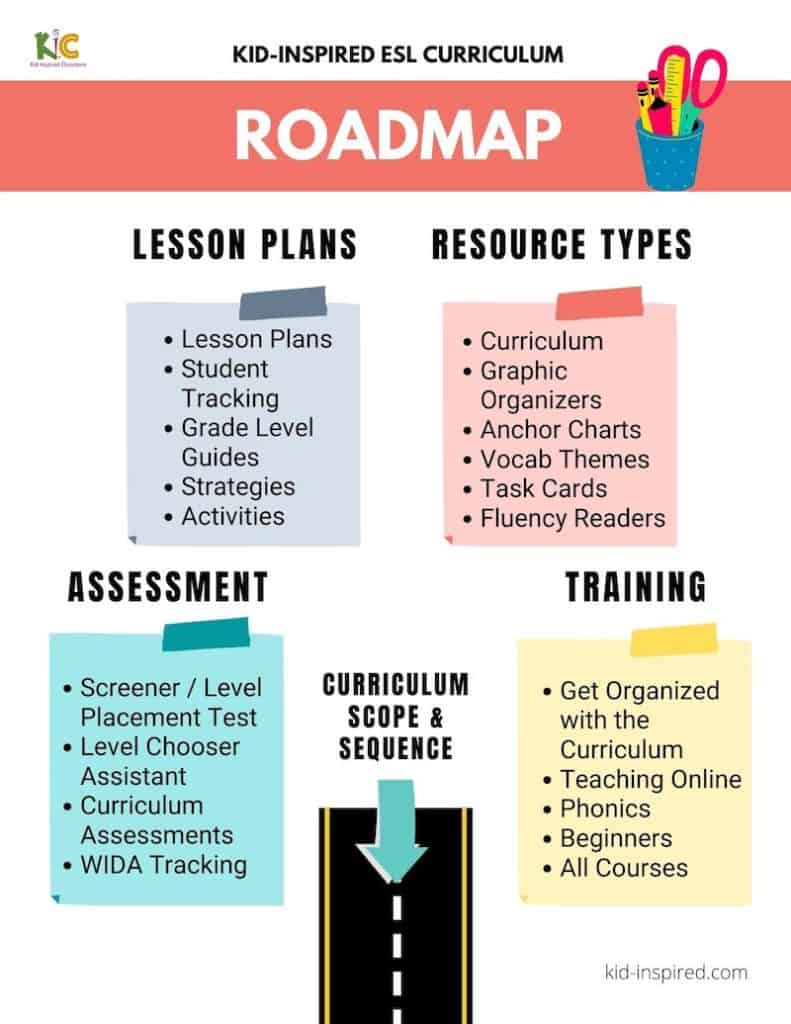
KidInspired ESL Curriculum Scope and Sequence A Roadmap to Fluency
Lawyers Analyze All Of The Course And Scope Issues To Ensure All Angles Of Liability Have Been Addressed.
Under The Theory Of Respondeat Superior, Employers Are Vicariously Liable For Tortious Acts Committed By Employees During The “Course And Scope” Of Their Employment.
An Employee Is Only Eligible For Workers’ Compensation Benefits When He Or She Is Acting In The “Course And Scope” Of Employment.
Course And Scope Of Employment Means An Activity Of Any Kind Or Character That Has To Do With And Originates In The Work, Business, Trade, Or Profession Of The Employer And That Is Performed By An Employee While Engaged In Or About The Furtherance Of The Affairs Or Business Of The Employer.
Related Post: