
Artificial Intelligence In Supply Chain Management Course
Artificial Intelligence In Supply Chain Management Course - Supply chain analytics come down to the tweaks and changes that save pennies and seconds, which quickly add up to dollars and hours. Learn how ai algorithms analyse vast datasets to predict demand accurately, optimise inventory levels, and streamline transportation routes. Our course delves deep into the integration of ai within supply chain operations, revealing how technology can streamline processes, optimise resources, and drive efficiency. Courses completed for the certificate may be applied toward. Artificial intelligence for supply chains and logistics ⏰ length: However, according to gartner, only 10% will unlock its full competitive advantage. The ai+ supply chain course explores how artificial intelligence is revolutionizing supply chain management, from foundational concepts to advanced applications. From predictive analytics to smart robotics, ai in supply chain initiatives are delivering new efficiencies, cost savings, and resilience across industries. Learn how to utilize ai algorithms for accurate demand forecasting and optimal inventory management. Learn to to optimize operations and improve efficiency. In this course, we’ll learn about more advanced machine learning methods that are used to tackle problems in the supply chain. Explore the impact of ai on supply chain efficiency and effectiveness. Leverage ai's predictive capabilities to identify procurement risks early and develop proactive risk management strategies. Take a look at this course where you will not only learn about ai for operational excellence including how ai helps build excellence in operations management, case studies of ai helping build excellence, building blocks of using ai to build operational excellence and how to implement these ai building blocks for operational excellence but also. Gain the ability to proactively manage risks using ai predictive capabilities. Supply chain analytics come down to the tweaks and changes that save pennies and seconds, which quickly add up to dollars and hours. Ai adoption in supply chains has surged by 270% between 2020 and 2023, according to a mckinsey global survey.and yet, inefficiencies still cost global supply chains a staggering $1.9 trillion. This artificial intelligence course has been developed with flexibility in mind, you can log in and out as often as you wish. Artificial intelligence is transforming supply chain operations worldwide. Learn how ai is affecting areas from industry to financial services and form your own opinion on the benefits and influence of artificial intelligence. Participants will gain insights into advanced ai techniques, including generative ai applications in revenue management and demand forecasting. Artificial intelligence for supply chains and logistics ⏰ length: This artificial intelligence course has been developed with flexibility in mind, you can log in and out as often as you wish. You'll learn how to simplify complex data and make smarter decisions. Use ai to identify risks early and develop proactive risk management solutions. Artificial intelligence is transforming supply chain operations worldwide. How ai has evolved in supply chain management. In this course, we’ll learn about more advanced machine learning methods that are used to tackle problems in the supply chain. Participants will gain insights into how ai can enhance supplier collaboration,. Credit hours earned in the sca certificate program may be used directly toward the completion of the ms in operations management degree program. Artificial intelligence for supply chains and logistics ⏰ length: Explore ai’s role in fostering innovation and value creation within procurement. Our course delves deep into the integration of ai within supply chain operations, revealing how technology can. Learn how ai is affecting areas from industry to financial services and form your own opinion on the benefits and influence of artificial intelligence. Leverage ai's predictive capabilities to identify procurement risks early and develop proactive risk management strategies. Participants will gain insights into advanced ai techniques, including generative ai applications in revenue management and demand forecasting. This artificial intelligence. Learn how ai algorithms analyse vast datasets to predict demand accurately, optimise inventory levels, and streamline transportation routes. As artificial intelligence (ai) continues to reshape procurement and supply chain management, professionals must adapt to the rapidly evolving landscape by acquiring specialized skills that align with technological advancements. As global supply chains become increasingly complex, the demand for professionals who can. Research from gartner shows that by 2028, 25% of kpi reporting will be powered by genai models, and that intelligent robots will outnumber frontline workers in manufacturing, retail, and logistics. This artificial intelligence course has been developed with flexibility in mind, you can log in and out as often as you wish. Our course delves deep into the integration of. Apply ai to optimize supplier management and contract negotiation. Learn how to utilize ai algorithms for accurate demand forecasting and optimal inventory management. Artificial intelligence is transforming supply chain operations worldwide. We’ll start with an overview of the different ml paradigms (regression/classification) and where the latest models fit into these breakdowns. The course delves into the ethical implications and challenges. Artificial intelligence for supply chains and logistics ⏰ length: However, according to gartner, only 10% will unlock its full competitive advantage. Our artificial intelligence (ai) training courses are meticulously crafted to teach you the fundamentals and delve into the advanced concepts of ai. Artificial intelligence is transforming supply chain operations worldwide. Apply ai to optimize supplier management and contract negotiation. Take a look at this course where you will not only learn about ai for operational excellence including how ai helps build excellence in operations management, case studies of ai helping build excellence, building blocks of using ai to build operational excellence and how to implement these ai building blocks for operational excellence but also. Our course delves deep into. Explore the impact of ai on supply chain efficiency and effectiveness. Participants will gain insights into how ai can enhance supplier collaboration, optimize contract management, improve risk mitigation, and strengthen procurement strategies to adapt to shifting market dynamics. Understand the foundational concepts of artificial intelligence and its significance in supply chain management. Participants will gain insights into advanced ai techniques,. We’ll start with an overview of the different ml paradigms (regression/classification) and where the latest models fit into these breakdowns. The ai+ supply chain course explores how artificial intelligence is revolutionizing supply chain management, from foundational concepts to advanced applications. Artificial intelligence in supply chain management has advanced significantly over recent decades. As artificial intelligence (ai) continues to reshape procurement and supply chain management, professionals must adapt to the rapidly evolving landscape by acquiring specialized skills that align with technological advancements. Use ai to identify risks early and develop proactive risk management solutions. The chartered supply chain artificial intelligence (csai)® certification is a globally recognized professional designation that integrates artificial intelligence (ai) and machine learning (ml) applications into supply chain management. Learn how ai is affecting areas from industry to financial services and form your own opinion on the benefits and influence of artificial intelligence. Prepare for future procurement challenges by integrating emerging ai trends. As global supply chains become increasingly complex, the demand for professionals who can harness ai to tackle these challenges is surging. Artificial intelligence is transforming supply chain operations worldwide. This artificial intelligence course has been developed with flexibility in mind, you can log in and out as often as you wish. Artificial intelligence for supply chains and logistics ⏰ length: Your ultimate path through ai training courses in machine learning, data science, and advanced algorithms to master the realm of artificial intelligence. Supply chain analytics come down to the tweaks and changes that save pennies and seconds, which quickly add up to dollars and hours. Take a look at this course where you will not only learn about ai for operational excellence including how ai helps build excellence in operations management, case studies of ai helping build excellence, building blocks of using ai to build operational excellence and how to implement these ai building blocks for operational excellence but also. From predictive analytics to smart robotics, ai in supply chain initiatives are delivering new efficiencies, cost savings, and resilience across industries.
The Role of Artificial Intelligence in Supply Chain Management Core
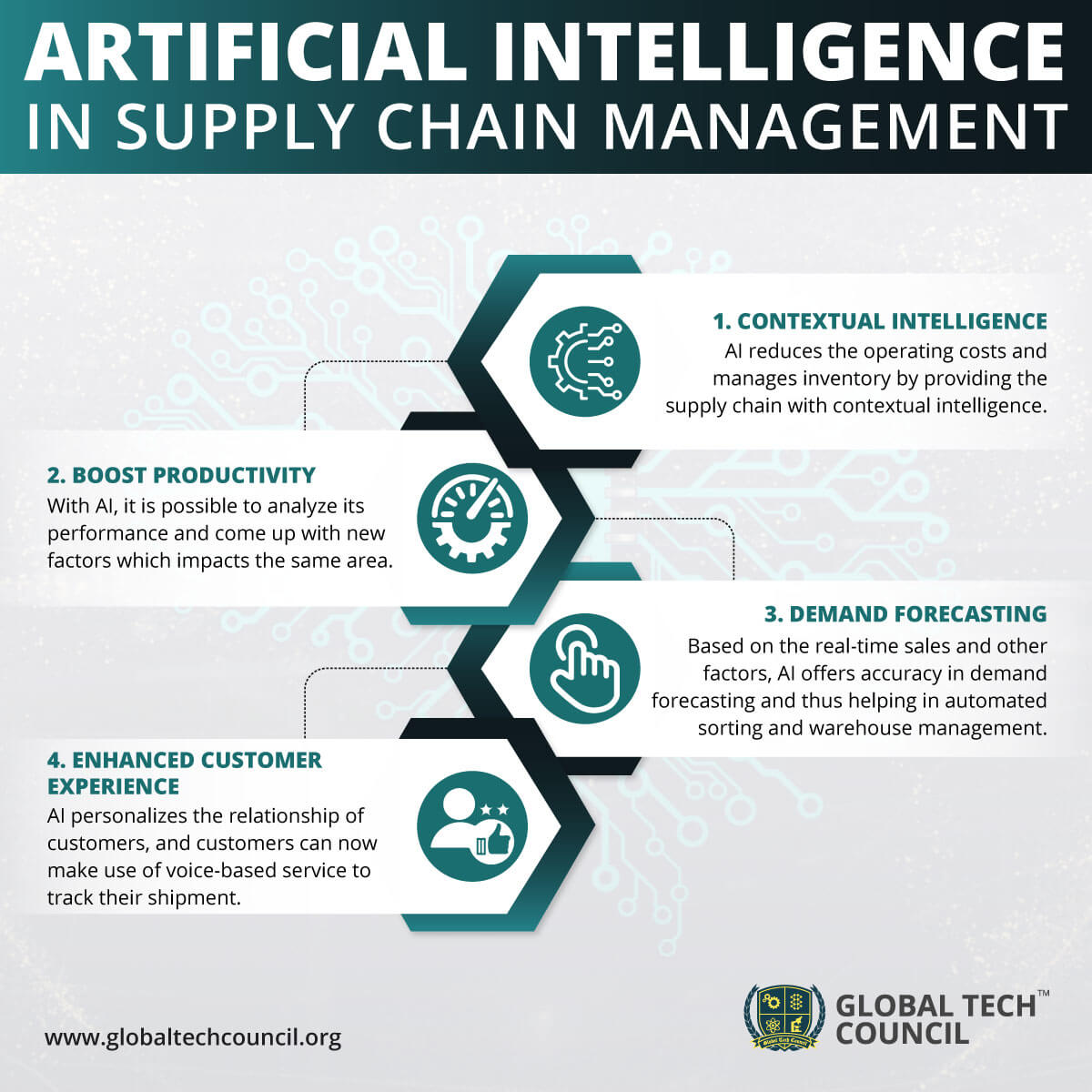
infographics Archives Global Tech Council
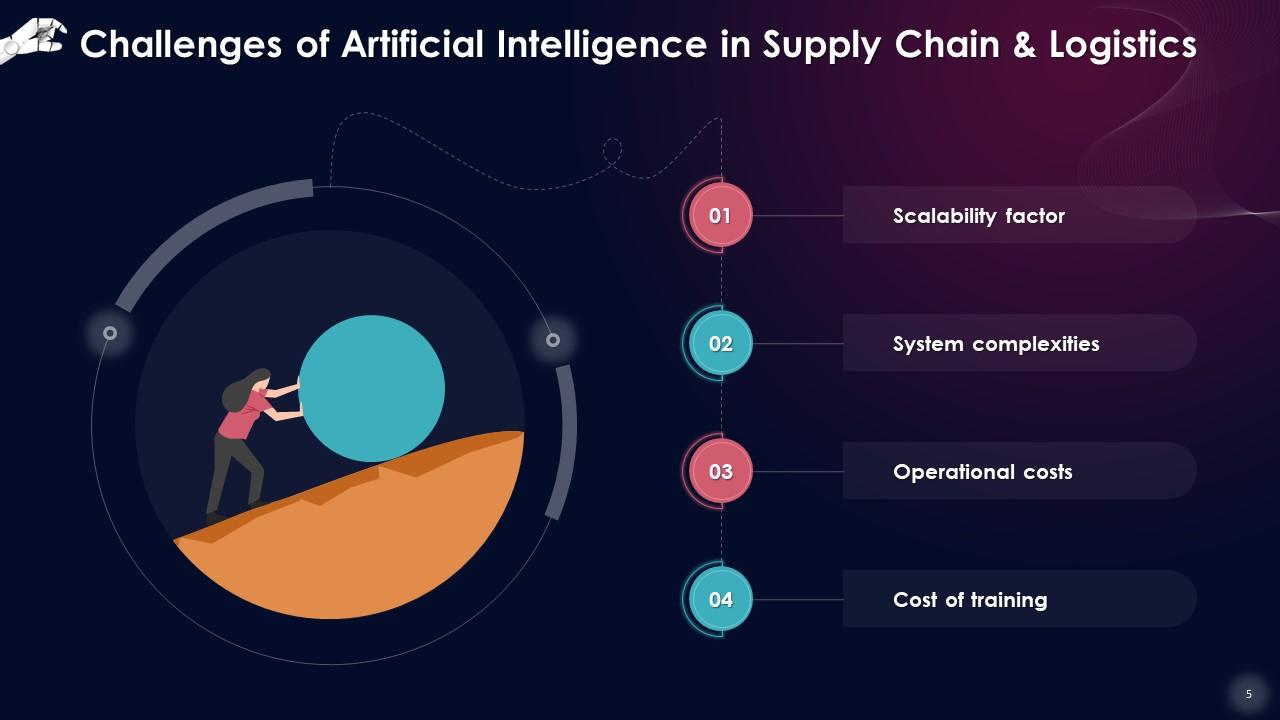
Artificial Intelligence In Supply Chain And Logistics Training Ppt PPT

Supply Chain Management with Artificial Intelligence HRDCourses
The Important Role of AI in Supply Chain Management & Logistics The
The Role of Artificial Intelligence in Supply Chain Management
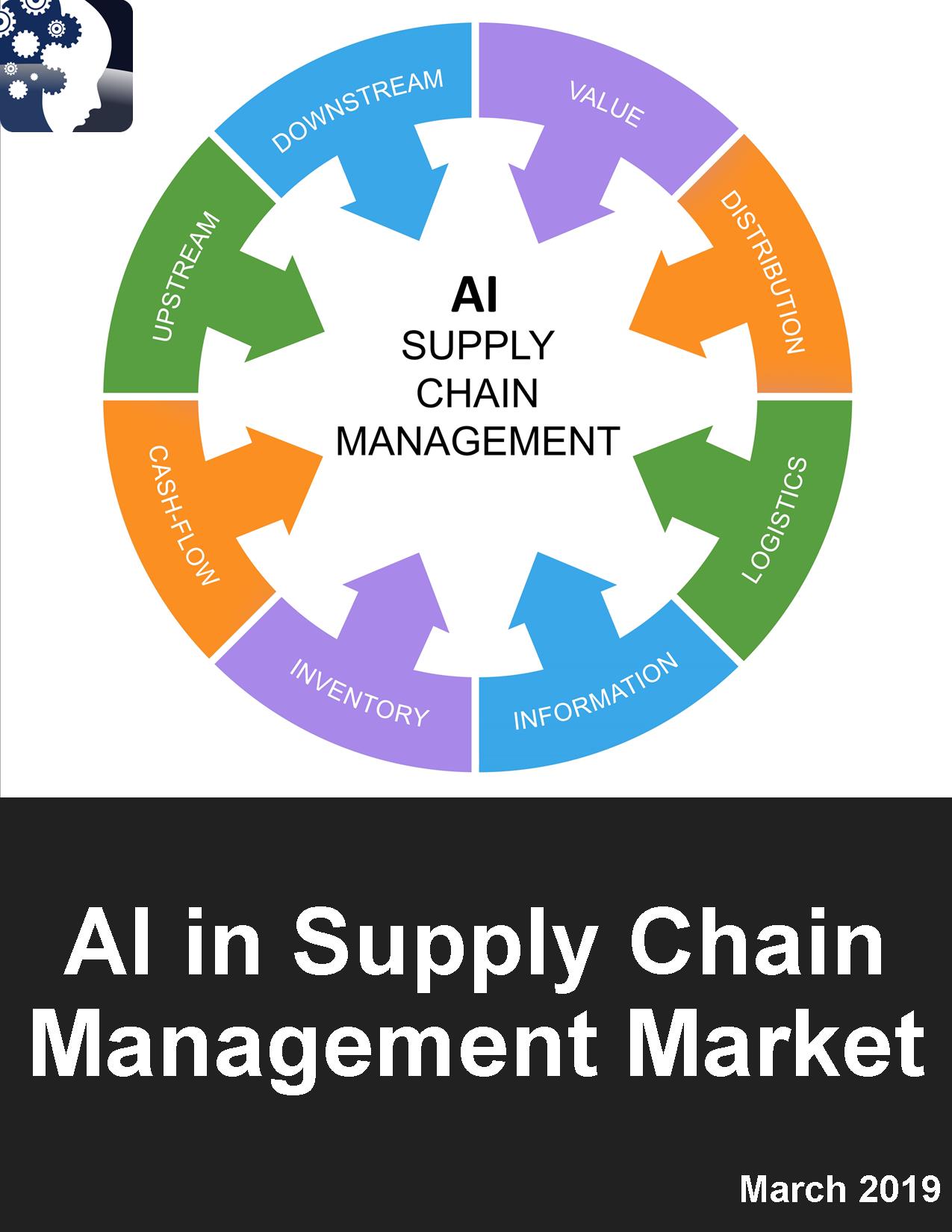
Artificial Intelligence (AI) in Supply Chain Management (SCM) Market
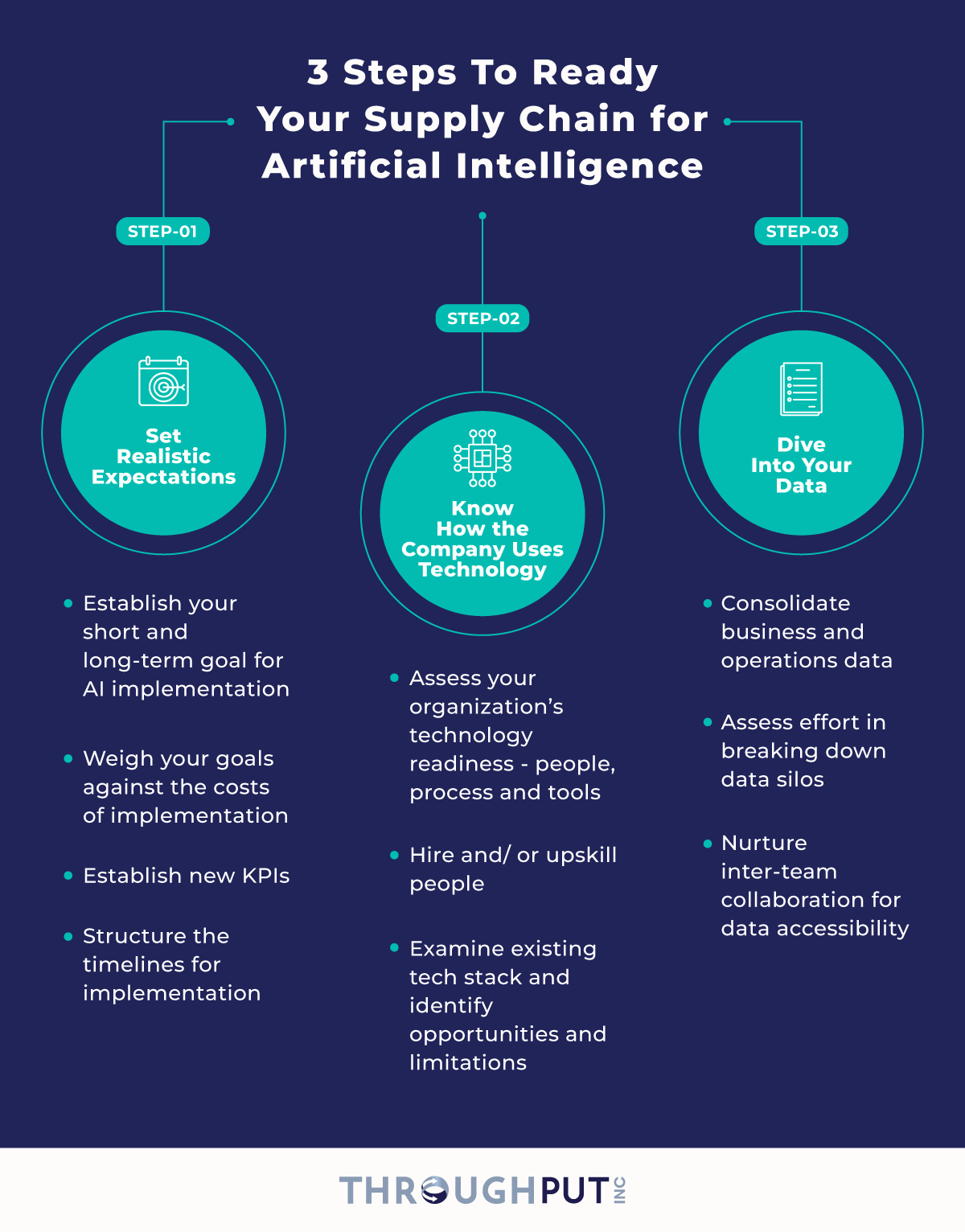
Changing Supply Chain How AI is Transforming Logistics and Operations
What Is Supply Chain in Artificial Intelligence Management
Logistical AI Revolutionizing Supply Chain Optimization
However, According To Gartner, Only 10% Will Unlock Its Full Competitive Advantage.
How Ai Has Evolved In Supply Chain Management.
Learn How To Utilize Ai Algorithms For Accurate Demand Forecasting And Optimal Inventory Management.
In The Rapidly Evolving World Of Supply Chains And Logistics, The Certified Chartered Supply Chain Artificial Intelligence (Csai) Professionals Equips Professionals With The Knowledge And Skills To Harness Ai’s Transformative Power.
Related Post:

